
Blog
Is Your Furnace Ready for Fall? 5 Things Dallas Homeowners Should Check
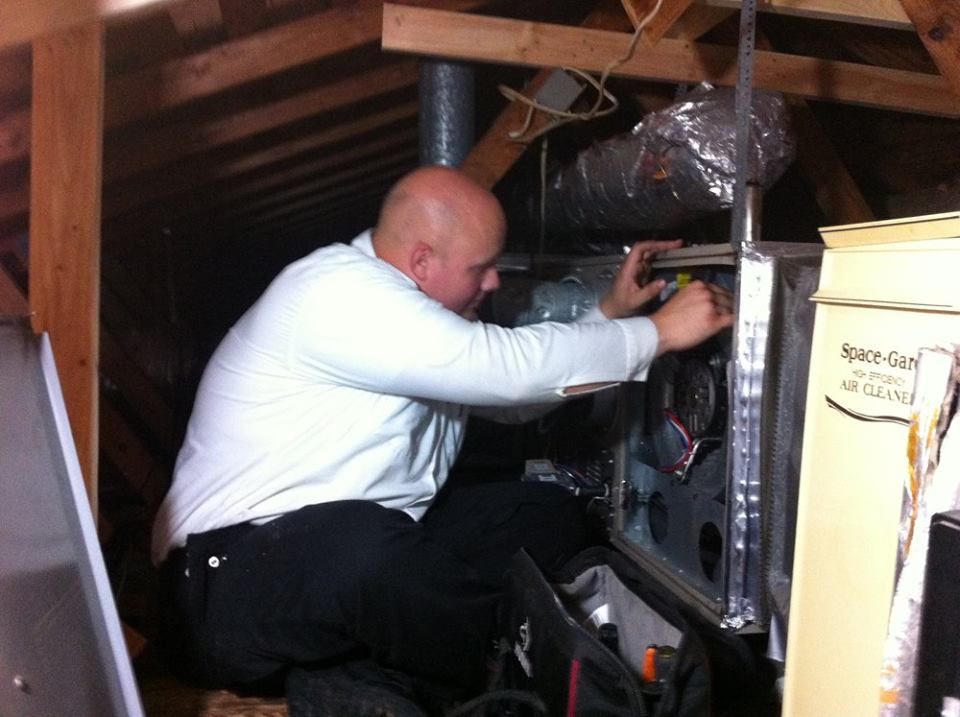
As fall arrives in North Texas, it's time to start thinking about your home's heating system. After months of running your air conditioner, your furnace may need attention before the cooler weather sets in. The last thing you want is to discover your heat isn't working when the first cold front arrives!
At All City Air, we recommend checking your heating system before winter so you can enjoy a comfortable home when temperatures drop.
5 Things to Check Before Turning on Your Furnace
1. Check Your Air Filter
A dirty air filter can restrict airflow and make your HVAC system work harder. Check your filter monthly and replace it as needed according to the manufacturer's recommendations.
2. Listen for Unusual Noises
Banging, rattling, squealing, or repeated clicking may indicate a problem. If your furnace makes unusual or persistent noises, have it inspected by an HVAC professional.
3. Check Your Thermostat
Make sure your thermostat is set to HEAT and the temperature is set above your current room temperature. If your furnace doesn't turn on, it may need professional attention.
4. Pay Attention to Strange Smells
A brief dusty smell when you first turn on your furnace may be normal. However, if you smell gas or rotten eggs, leave your home immediately and contact your gas utility or emergency services from a safe location. Never ignore a carbon monoxide alarm.
5. Schedule a Professional Furnace Tune-Up
A professional furnace tune-up allows a technician to inspect important components, check safety controls, evaluate system operation, and identify potential problems before you depend on your heat throughout the winter.
Get Your Furnace Ready for Winter With All City Air!
North Texas weather can change quickly. Taking care of your furnace before temperatures drop can help you prepare for the heating season and reduce the risk of unexpected problems.
Whether you need a furnace tune-up, heating repair, or help evaluating an older system, All City Air is here to help!
📞 Call 972-495-5976 to schedule your service.
All City Air — Keeping North Texas Comfortable
Questions to Ask Before Hiring a Commercial HVAC Contractor in Plano
Introduction
Hiring the right commercial HVAC contractor in Plano takes more than a quick phone call. It's not just about who can get to your property first or who’s offering a deal. It’s about pairing your building’s needs with someone who understands what local businesses face, especially as summer temperatures close in.
Late May is no time to have cooling problems. The heat in North Texas shows up fast, and businesses need systems they can count on. Asking the right questions before hiring can help you avoid surprises, delays, or service that doesn’t match the way your space is used. To help you sort through your options, here are some questions worth asking upfront.
What Kind of Experience Do They Have?
Not all HVAC contractors work with commercial systems, and the difference matters more than you might think. Commercial spaces have unique setups. Rooftop units, zoning issues, and varied usage schedules mean the job goes beyond comfort; it affects operations, air quality, and equipment access too.
Start by asking how long they’ve worked in commercial HVAC and if they’ve handled properties in Plano or around North Dallas. It’s helpful to know they understand how local building codes or older construction can impact system choices.
Then ask about buildings like yours. If your business is in a strip center, office park, or industrial space, experience with similar projects goes a long way. You’ll also want to know if they've dealt with:
• Rooftop units that affect neighboring businesses
• Limited attic access in older buildings
• Busy store schedules that can’t be interrupted during repairs or installs
By finding someone with a proven background, you can be more confident your project gets the attention and skill it needs from start to finish. Experience often means smoother jobs and fewer surprises, especially when summer hits.
Are They Licensed, Insured, and Certified?
This one should always be part of your first conversation. Any commercial HVAC contractor doing work in Texas must have the proper licensing to operate. That license means they’ve passed state requirements and can legally handle your system.
Ask whether they carry liability insurance, and make sure it covers both property and personnel. Commercial installs and repairs carry risks, and insurance protects both your building and their crew while they’re working.
Finally, check for EPA certification. Modern systems use refrigerants that require safe handling, and the Environmental Protection Agency sets the standards. Technicians without this training shouldn’t be working on commercial cooling units, plain and simple.
It also helps to ask whether the contractor keeps their credentials current. Doing so ensures they stay up to date with evolving regulations and industry know-how. If they’re proud to show you their certificates, that’s usually a good sign of professionalism.
What’s Their Plan for Maintenance and Emergency Calls?
Installing or repairing a system is one thing, but keeping it working is just as important. You’ll want a partner who sticks with you after the work is done. That means asking about regular maintenance and what happens if something breaks.
Here’s what we recommend checking in on:
• Do they offer scheduled maintenance for commercial spaces?
• How often do they suggest service, and what’s included in those visits?
• What’s their typical response time for emergency calls in peak summer months?
• Do they keep detailed records of your system so follow-ups are quick and accurate?
Fast summer repairs aren't just for comfort. Tenants, employees, and customers need systems that work as expected. A good HVAC plan helps catch problems early and avoid emergency situations when business is busiest.
Dependable contractors should offer clear explanations about their service windows and how preventive maintenance can help you avoid the stress of emergency downtime. Understanding what happens during a maintenance visit, what’s inspected, and how issues are tracked lets you see their commitment to long-term reliability.
Who Handles the Installation and Repairs, and What’s the Process Like?
Commercial projects can stretch across multiple days with lots of moving parts. That’s why it helps to know who’s showing up and how the work is managed from start to finish. One of the most useful questions you can ask is, “Will the same people stay with the project the whole time?”
Knowing a consistent crew is involved prevents surprises and makes communication smoother. Ask the contractor to walk you through the process, step by step, from prep to cleanup. You’ll want a clear timeline, especially if work needs to happen during off-hours or won’t interrupt business.
Don’t forget to ask what they’ll do to keep your building clean and safe. That might mean covering equipment, using shoe covers inside, or planning access points through unused parts of the building.
It’s reassuring to have a team that manages details with care and keeps you informed throughout. Project transparency helps avoid confusion and keeps your operations running as planned, even during big upgrades or repairs.
Can They Recommend the Right System for Your Space?
A smart recommendation saves you from trouble down the road. The right system should reflect your building’s layout, who’s using the space, and when it’s used. That’s where a commercial HVAC contractor with local experience can really make a difference.
You can ask helpful questions like:
• How do you decide which system fits best for a building like mine?
• Do you factor in how airflow moves through the rooms or how well the place keeps heat out?
• What kind of equipment options could help with energy efficiency or zoning?
The goal isn’t just to get cooler air, it’s to do that with a system that works for your schedule, your occupants, and your budget over time. A good contractor won’t rush you through that part.
Be sure to discuss whether you’ll need features such as programmable thermostats, energy monitoring, or advanced zoning. These features can make your building more comfortable and efficient, especially through North Texas’s intense summers.
Make a Smart Choice Before Summer Hits
Late spring doesn’t give much time before things heat up in Plano, Texas. By asking questions early, you give yourself time to get answers that feel right and align with how your business operates.
A well-chosen contractor makes those high-heat days feel less urgent. You’ll know who to call, what to expect, and how problems get handled. That kind of peace of mind keeps your focus where it belongs, on your business, not the thermostat.
Reliability matters when keeping your building cool and running smoothly. We understand the challenges businesses in Plano, TX face with zoning needs and busy summer schedules. As a local
commercial HVAC contractor, we have seen how the right fit can ease a stressful season. We are here to help you plan ahead and avoid last-minute surprises. Contact All City Air today to get started.
Why Businesses in Plano Shouldn’t Skip Preventive AC Maintenance
Introduction
In Plano, the heat tends to show up early and stick around. By late May, many of us are already feeling the sharp edge of summer. That kind of weather doesn’t leave much room for failure when it comes to air conditioning. For businesses, keeping things cool isn’t just about comfort, it helps everybody work better, shop longer, and stay safe indoors.
What we often see, though, is that AC doesn’t become a priority until it starts struggling. That’s a tough time to figure out your system needs help. Preventive care makes a big difference, especially in commercial spaces where comfort and timing always matter. By scheduling commercial air conditioning services before summer gets into full swing, you’re helping your business stay ahead of surprise breakdowns and long wait times when demand peaks.
Why Waiting Until Summer Can Cause Problems
Summer is the busiest repair season by far. When systems quit during the first wave of serious heat, everyone is calling at once. That makes it hard to get fast help. If you haven’t had your system checked yet, that can land you at the back of a long line right when you need cool air most.
Even newer AC units can falter after months of inactivity. It doesn’t take much, a dusty coil, a loose wire, a clogged filter, and next thing you know, you’re dealing with weak airflow, rising indoor temps, and growing frustration. Everyone inside starts to feel it. Employees get slowed down, customers get uncomfortable, and operations start feeling the strain.
The problem isn’t just that repairs can take longer once summer hits. It's that emergency service often means adapting to someone else’s schedule. When you're prepared ahead of time, you stay in control of your hours, not the heat.
Common Problems Preventive Maintenance Helps Avoid
Without regular checks, small AC issues often fly under the radar until the system breaks down. Taking care of your equipment early helps avoid common problems like:
• Dirty filters and coils that block airflow and cause the system to overwork
• Loose electrical parts that can result in sudden shutdowns
• Refrigerant leaks or pressure trouble that lead to warm air or frozen lines
These types of issues add up fast during peak season. Once heat and humidity crank up, an AC system under pressure is more likely to stall or fail completely. Seeing problems early gives you time to fix them on a regular schedule. That’s a lot easier than scrambling when it gets too hot inside to work.
Preventive maintenance also provides you with an opportunity to catch subtle warning signs that aren't always obvious. For example, a small decrease in airflow may go unnoticed when the outside temperatures are mild, but as the heat intensifies, so does the problem. Proactive maintenance checks are designed to spot these issues before your business feels any impact.
Consistent maintenance also leads to more predictable operational costs, since emergency services are often pricier and require immediate scheduling flexibility. A system that runs reliably means fewer unplanned expenses throughout the busy season.
What Routine AC Maintenance Typically Includes
Commercial AC tune-ups are more than a quick look at the thermostat. Real maintenance goes through the whole system to keep it clean, secure, and balanced. During a visit, technicians usually complete tasks like these:
• Checking coils, fans, wiring, and refrigerant for signs of wear or blockage
• Cleaning or replacing air filters to help airflow stay steady
• Testing the thermostat to make sure temperatures stay even throughout each space
In addition, technicians might inspect or tighten connections, lubricate moving parts, and verify controls and safety features are functioning as intended. This thoroughness is crucial for large commercial systems because the complexity often increases with the size and use of the space.
For larger spaces like offices, stores, or multi-room buildings, keeping things even can be tricky. You might have people coming in and out all day, or windows that let in a lot of sunlight. Regular maintenance helps smooth out those hot spots and avoid cooling delays just when you’re busiest.
If your building uses multiple air conditioning zones, tune-ups will ensure each area receives the attention it needs. This keeps temperatures balanced and supports a cohesive environment in every part of your business.
Why It Matters for Customer and Employee Comfort
Work environments run better when people aren’t dealing with heat indoors. We’ve seen how even small AC hiccups affect staff focus and productivity. When temp levels climb in a workspace, it’s no surprise people feel tired, distracted, or even frustrated. That can lead to more mistakes and slower work performance.
Customers feel it, too. If your space is sticky or stuffy when someone walks in, they may not stay long. Whether it's a retail shop, waiting room, or office lobby, guests notice when it’s too warm.
Just a few degrees can shift someone’s experience from pleasant to uncomfortable. So, catching problems before they disrupt the mood inside saves more than just your AC, it protects the way people interact with your space every day.
Beyond comfort, maintaining a consistent temperature helps protect equipment and inventory that may be sensitive to heat or humidity. Electronics, artwork, certain foods, or paper documents can all be compromised if the air conditioning system underperforms. Regular tune-ups safeguard not only your team and customers, but also the assets you rely on.
A well-maintained climate system also sends a positive message to customers, they notice when a business takes care of its property, which can contribute to reputation and repeat visits.
Choosing a Reliable Maintenance Partner in Plano
If your business depends on staying open, your AC partner should understand that. Commercial air conditioning services need to fit both the equipment and your daily schedule. In Plano, that means knowing how buildings are set up and how hot things can get once June arrives.
You'll want a company that’s able to handle larger rooftop units, split HVAC systems, or zone setups. Before committing, ask if they:
• Offer seasonal tune-ups that work around your business hours
• Know how to handle emergency service when summer heat hits hardest
• Understand how to maintain systems in active retail, office, and multi-unit spaces
Find a provider that values prompt communication and transparent pricing. This can make a real difference when something unexpected comes up. Good providers will explain their process, let you know what to expect during a visit, and provide recommendations tailored to your space.
When maintenance visits are handled by someone who understands commercial flow, there's less risk of delays, mess, or missed problems. It keeps things simple, which makes everything smoother once summer settles in.
Experience with a range of commercial AC brands, plus a track record with local businesses, also helps ensure you’re choosing a service with proven capability.
Get Ahead of the Heat with a Simple Plan
Waiting too long to deal with your AC rarely works out well. What looks like a small issue at the start of the season can become a big disruption by July. By locking in a simple preventive schedule before temperatures spike, you give your business better odds at a smooth summer.
It’s one of the easiest ways to take a little pressure out of the season. When cooling works how and when it should, everybody inside benefits, employees, customers, and anyone else counting on your space to feel comfortable. Planning now keeps you out of trouble later. Let’s take care of it before the heat takes control.
At All City Air, we help Plano businesses stay ready for the heat with trusted maintenance that keeps things running right. If your system hasn’t been checked lately, now’s a good time to make sure it can handle what summer brings. Regular service helps prevent avoidable issues and keeps your space more comfortable for everyone inside. Learn how our
commercial air conditioning services support business operations when it matters most. Give us a call to schedule your seasonal maintenance before things heat up.
Planning Your AC Installation in Plano Before Peak Summer Starts
Introduction
When summer starts creeping in, the last thing we want is an AC system that can’t keep up. In Plano, TX, we know how quickly spring can turn into high heat. That’s why planning for your AC installation in Plano, TX during late spring gives you a better head start, letting you stay ahead of packed schedules and rising temperatures. No one wants to spend the hottest weeks of summer waiting for a new system while sweating it out indoors. A little planning now goes a long way toward keeping things easier on your home, your comfort, and your peace of mind. As a family-owned HVAC company serving Plano and the North Dallas metroplex for more than 25 years, we have seen how early planning helps systems stay reliable through long Texas summers.
Why Planning Ahead Makes a Big Difference
Getting an early start changes everything. Spring is quieter, with more room to make decisions without pressure. Waiting too long could mean fewer appointment options and rushed choices, and that can lead to stress no one needs during a heat wave.
Here’s why moving early is the smart move:
• You can skip the long wait times that come with the summer service rush
• There’s more time to look at your options without needing to decide on the spot
• Planning ahead gives you space to ask questions and focus on what your home truly needs
When the installation isn’t rushed, everything tends to go smoother. It’s easier to coordinate schedules, handle any surprises, and feel confident in your decision. You’ll have the breathing room to feel good about which system you choose and how it fits the way your home feels day to day.
What to Look For in a New AC System
Every home is a little different, which means there’s no “perfect” AC choice for everyone. What works well for one house may not make sense for yours. Whether your home is big, small, older, or newer, it helps to focus on how your family uses the space.
Here are a few things we always think through:
• The size of your home and how many rooms need to stay cool
• How the space is laid out, including upstairs and downstairs airflow
• Whether a smart thermostat or quieter operation would make daily life easier
Having a conversation with your technician can help clear up the options. It’s not just about cooling air, but how evenly that air moves through your rooms and how well the system supports daily comfort. If your old unit never cooled one room properly, that’s something worth solving with the new one.
How Plano’s Spring Weather Helps with Timing
Spring in Plano is a sweet spot. It’s warm enough to think seriously about summer prep, but it hasn’t hit the hottest stretch just yet. That kind of weather gives us room to work without turning the replacement process into a sweaty mess.
There are a few specific ways spring weather helps:
• Temperatures are mild, so it’s easier to be without AC for a short time during installation
• A new system can be tested more thoroughly without the full force of summer heat
• Any comfort hiccups (like uneven cooling) show up quickly and can be fixed before hotter days arrive
It’s always easier to notice if something isn’t quite right when the house isn’t under extreme weather pressure. That makes spring a real advantage when you’re switching out equipment and want the system to settle in before working hard.
Steps to Take Before Scheduling Your AC Installation
We always say the more you prepare, the smoother the job goes. A few small steps can keep things organized and prevent surprises on installation day.
Here’s a simple checklist to help get started:
1. Think through any old system problems and write them down, even if they seemed small
2. Talk with a technician about how your house feels during different parts of the day
3. Clear paths and spaces around the AC units, both inside and outside your home
Even if you’re not sure something matters, bring it up. Maybe there was always that one back bedroom that never felt cool enough, or maybe your system ran extra loud in the evenings. Sharing these details gives the technician a better chance at helping your new system perform at its best.
Why It Pays to Work with Trusted Local Experts
Having someone local can make a difference. In Plano, we deal with heat that shows up early and sticks around past September. Someone familiar with our area knows what systems hold up through long hot streaks and how layout choices shift from neighborhood to neighborhood.
Working with someone nearby can bring a few simple benefits:
• They understand how the local weather pushes systems harder for longer
• It’s easier to get fast answers or follow-ups if you have questions
• With more years in the same area, there’s a deeper level of insight into home styles and past comfort challenges
Our EPA-certified technicians focus on True Home Comfort, taking time to explain your options and match each installation to the way you use your home. That kind of background means fewer surprises and more confidence across the whole process. Choosing someone nearby with experience in this area helps avoid little issues that might not show up until the middle of a heat wave.
Get Ready for a Cooler, Worry-Free Summer
Planning your AC installation in Plano, TX before summer really kicks into gear makes a huge difference. It’s one less thing to worry about when temperatures start climbing, and it gives your family time to settle into a cooler, more comfortable rhythm indoors.
The right window for updating your air conditioning is before it becomes urgent. With mild spring days and longer scheduling gaps, now is the time to make a smart, easy change that keeps your home ready for whatever the Texas heat brings next.
Keep your Plano home cool before the summer heat takes over by scheduling your
AC installation in Plano, TX early. Choosing the right cooling system helps ease last-minute stress and ensures a comfortable season, and our professional team at All City Air is here to help get your home set up quickly.
How to Know If Your AC Breakdown Needs Emergency Repair
Introduction
When your air conditioner suddenly stops working, it can feel like everything in the house hits pause. The moment the cool air disappears, you might wonder if it's something simple or something that needs immediate help. Here in Plano, TX, spring doesn't just warm up slowly. It can go from mild to hot in a matter of days. That means waiting too long when your AC acts up could leave your home uncomfortable pretty quickly.
Knowing the difference between a regular repair and a true emergency can help you make the right call. We’re walking through a few clear signs that you might need urgent AC repair in Plano, TX, and what can happen if you hold off too long. When the heat is coming and your system is acting strange, being informed makes all the difference.
What Counts as an Emergency?
Not every AC issue needs immediate service, but a few red flags shouldn't be ignored. When certain warning signs pop up, they usually point to a bigger problem under the surface. If you spot any of these, it’s better to act quickly.
• No air is coming out of the vents, even though the system is on, and it’s heating up outside. On a spring day that feels more like summer, this can quickly become uncomfortable or even unsafe.
• You notice a burning smell coming from your AC unit, especially anything that smells like melted plastic or singed wires. These issues could mean something electrical is going wrong.
• The system won’t shut off and keeps running without stopping. This puts a lot of pressure on important parts and can wear down your system fast.
If any of these happen, the unit isn’t just being noisy or running poorly. These are usually signs that something is not working safely, and waiting can often make the damage worse.
Warning Signs Before a Full Breakdown
Some AC problems creep up slowly. They may not scream "emergency," but they’re still important to notice. If they're ignored for too long, they can lead to sudden failure when the weather gets warmer.
• The system is blowing air, but it’s not cold. This might just seem like a small issue, but it could be a sign of low refrigerant, a compressor issue, or a system that’s starting to fail.
• You adjust the thermostat, but the room doesn’t feel any different. If your AC can’t keep up, it may be short cycling or struggling against a deeper problem.
• Water appears around the indoor AC unit, either from leaking or pooling. This might mean the drain line is clogged or frozen coils are melting. It’s not just messy, it can lead to mold or damage inside your home.
These aren’t emergencies yet, but they are clear signs that the system could be heading in that direction. In a place like Plano, where spring temperatures can spike fast, it’s always better to get a look at the problem before it turns into a complete breakdown.
When Waiting Makes the Problem Worse
A lot of homeowners hope the issue goes away on its own. We get it, it’s easy to shrug off a new sound or a short cooling cycle when your system mostly still works. But putting it off often leads to deeper problems.
• Small issues that go unchecked can lead to total system shut down, especially when the system has to work harder to keep up with late spring heat.
• An overheated unit can damage internal parts permanently. What starts as a minor fix could turn into a major parts replacement.
• Short cycling, which means the system turns on and off frequently, can point to electrical problems, dirty coils, or blocked airflow. It also puts more wear and tear on the compressor.
Delaying service makes the situation more stressful and can create risks that go beyond comfort. Instead of letting these signs slide, we recommend having them checked before they lead to something bigger.
Why Spring Breakdowns Are a Big Deal in Texas
In Texas, spring doesn’t play around. By May, temperatures in Plano are already creeping into summer territory. When your AC starts slipping now, it’s really not the season to take chances.
• Rising heat means your system is working harder by the day. If it breaks down in mid-spring, you’re stuck without cooling while things only get hotter outside.
• A breakdown now leaves you in a tough spot before summer even begins. Your comfort is affected, and your home can heat up quickly and stay warm at night.
• Many homeowners start calling for AC repair in Plano, TX, around this time. If you wait too long, your spot on the schedule might be harder to get.
A spring failure isn’t just inconvenient. It often means your home could be stuck in the heat when the last thing you want is to feel uncomfortable indoors. Early breakdowns throw off everything, especially when cool air is the one thing you count on.
Stay Cool and Keep Problems Small
Recognizing early warnings helps you avoid those sticky situations when the AC goes quiet at the worst time. Taking small signs seriously means you can stay ahead of bigger problems and keep your home comfortable without surprises.
Spring might feel like a soft start to summer, but the heat comes fast in North Texas. When your AC isn’t acting right, it pays to be careful and stay on the safe side. Getting the right help early protects your comfort and can keep small breakdowns from growing into serious repairs.
When your cooling system shows signs of trouble, don't wait for a complete breakdown. We are here to help homeowners in Plano, TX, stay comfortable and avoid bigger problems by catching issues early. Whether your system has stopped working completely or isn't cooling like it should, our technicians are ready to take a closer look. Learn more about how we handle
AC repair in Plano, TX with service that keeps your home running smoothly. Contact All City Air today to schedule a time that works for you.
Guide to Air Conditioning Maintenance Before the Texas Summer Hits
Introduction
In Plano, Texas, spring tends to go by fast. One moment it’s breezy, and the next, the heat shows up without much warning. That’s exactly why spring is the right time to check in on your air conditioning system. A little prep now can go a long way when the temperature climbs into the 90s and stays there.
Air conditioning systems work hard during summer, and if there's a problem lurking, it’s better to catch it now. Something as small as a blocked filter or weak airflow can lead to bigger issues when your AC is running nonstop. That’s where regular check-ups come in. They help spot early signs of trouble that might need HVAC repair in Plano so you're not left sweating it out on the hottest day of the year. Taking care of your AC now is much easier than dealing with a breakdown once the temperatures soar. Even if everything seems fine at the moment, it never hurts to make sure your system is ready for what’s ahead, especially in Texas where heatwaves can arrive quickly and last much longer than expected. The unpredictability of spring makes it an ideal time to have a trusted technician take a look, so you aren’t caught off guard when summer arrives.
Why Spring Is the Best Time for AC Maintenance
Getting your system checked in spring has a few strong perks. First, many people wait until it’s already hot to think about their air conditioning. That means HVAC appointments can book up quickly in May and June. If you get ahead of that, scheduling becomes easier, and you won’t be stuck waiting during a heatwave.
Second, spring weather gives you time to catch any cooling issues before the system starts working overtime. If something isn’t right, whether it’s a parts issue or airflow concern, you’ve got time to fix it before the real heat kicks in. And when your system is clean and tuned up, it doesn’t just work better, it usually uses less energy too. Whether you’re looking to avoid scheduling headaches or just want to enjoy a little peace of mind, early spring is when those benefits really pay off.
So if you’re wondering when to schedule that AC check, early spring is a smart window. It avoids the stress and helps your system start the season at full strength. Not only does a spring appointment help keep your home cooler when you need it most, but it can extend the life of your equipment and help prevent surprise costs down the line. Spring checkups set your air conditioning unit up for success before the hottest part of the year arrives.
What a Spring AC Check-Up Usually Includes
A good spring check isn’t just a quick glance at the thermostat. There's a list of things we usually go over to help make sure everything is working like it should:
• We check refrigerant levels to see if anything has leaked or dropped low
• Coils, both inside and outside, get cleaned to help improve airflow and cooling
• We inspect the startup process, making sure the system turns on smoothly and responds to the thermostat without delay
Inspections can include other steps as well, such as looking at electrical connections and tightening anything that may have come loose over winter. In addition, drain lines and drip pans will be checked for any clogs that might cause water buildup or leaks inside your home. Some technicians may also look at safety devices, temperature sensors, and air ducts to catch airflow or efficiency issues that can reduce comfort. All of these routine tasks work together to help your AC run longer, while helping you avoid major problems that could be stressful if they popped up during a heatwave.
Even small things like a loose connection or a clogged drain line can change how well your system cools your home. Spring is a good time to catch these things, so they don’t become bigger problems when temperatures really jump. A thorough check can reveal minor wear and tear before it turns into a full breakdown in the middle of summer.
Signs Your System Might Need Repairs Soon
Sometimes, you don’t need a full inspection to know something’s off. If you’re seeing certain signs now, it might be time to look into HVAC repair in Plano before warm weather turns into full summer.
Look out for things like this:
• Strange sounds when the system turns on or off, like grinding or squealing
• Airflow that’s weaker than it should be, or rooms that stay warmer than the rest
• A cooling system that keeps cycling on and off in short bursts
• A noticeable spike in your energy bill, even though you haven’t changed your settings
Staying aware of these warning signs helps you act early. Loud or unusual noises could suggest worn belts or motor issues, while poor airflow may point to blockages, dirty filters, or issues with the ductwork. Short cycling is another sign to pay attention to since it not only hurts efficiency but can put added strain on your AC over time. Finally, sudden jumps in your utility bill often mean your system is struggling to keep up, usually because of an underlying issue. These signs don’t always mean your system is broken, but they’re worth having looked at soon. It’s a lot easier to solve the problem in April than in the middle of July. Acting sooner helps prevent larger breakdowns, meaning less risk of being left without cool air when you need it the most.
Tips to Keep Your AC Running Longer Through the Texas Heat
Between check-ups, there are a few simple things you can do to help keep your system in good shape. These aren't fixes, just helpful habits that go a long way when the heat is on:
• Clear away weeds, grass, or leaves from around your outdoor unit so it can breathe
• Change the air filter often, especially if you notice dust buildup or allergies flaring up
• Make sure vents inside your home aren’t blocked by furniture or rugs
Making airflow a priority really helps your air conditioner perform at its best. It’s also a good idea to keep household dust to a minimum and remember to clean around the registers in each room. If you use a programmable thermostat, setting it to raise the temperature a few degrees during the hottest part of the day reduces strain and can cut down your bills. Checking these things a few times each month takes just a few minutes but can make a big difference over Texas’s long, hot summers.
These small steps help your air conditioner work more easily and prevent problems from building up over time. Leave the repairs and inspections to the pros, but doing your part with these habits can really pay off. Simple habits like these extend system life, improve air quality, and lower the risk of surprise repairs. Consistent attention can be the difference between a system that just gets by and one that reliably keeps your home comfortable.
Ready for the Heat: A Well-Maintained System Makes Summer Easier
When your AC gets checked in spring, you get to ease into summer a little more comfortably. Instead of crossing your fingers once the first wave of heat hits, you’ll already know your system is ready to go. That kind of peace of mind is a big deal when temperatures in Texas stay high for months on end.
A well-maintained system cools better and makes the next few months a lot less stressful. Early attention helps keep your home comfortable, your AC running longer, and your days cooler when it matters most. Taking these preventative steps now means more than just physical comfort during hot weather, it’s about saving money, adding years to your system’s life, and spending more time enjoying your home instead of worrying about repairs. As summer approaches, being able to relax indoors, knowing your AC can handle anything the season brings, offers true peace of mind for homeowners and families.
Your system may be overdue for a check-up this season, and we’re here to help. Catching small issues now can prevent bigger problems when the weather heats up. We’re always ready to take a closer look, especially if you think you might need
HVAC repair in Plano. At All City Air, we know how tough Texas summers can be. Give us a call to schedule your next check-up.
Differences Between Central Air and Ductless Mini Splits Explained
Introduction
When it starts heating up in Plano, Texas, most of us begin to think about how to stay cool indoors. That’s when the choice between central air and newer options like ductless mini splits becomes a real question for homeowners. We get asked about this all the time, especially in spring when the weather shifts fast and families want a reliable setup before summer hits hard.
Different homes need different things. Some were built with ducts already in place. Others, especially older homes or new add-ons, may not be set up for traditional systems. That’s why ductless mini split installation stands out. It offers flexibility without needing extensive remodeling, which can make all the difference depending on your space and comfort goals.
How Central Air Conditioning Works
Central air systems are what most people think of when they imagine air conditioning. These systems run through a network of ducts built into the home. Cool air is pushed out through vents in the ceiling or floor, pulled back through return grilles, and sent again through the cooling system.
This setup works best when the ductwork is already there. For homes built with central heating and cooling in mind, adding or replacing a central air system can feel familiar and straightforward. The indoor portion is usually tucked away inside an attic or closet, while the outdoor unit stays outside near the home.
But here in Plano, not every home was designed with ducts in mind. That’s where things can get tricky. Installing new ducts means opening up walls or ceilings, which can be a big process and take away useful space.
What Makes Ductless Mini Splits Different
Ductless mini splits offer a different approach. Instead of sending air all through the house in one system, they cool specific rooms using small indoor units. Each one connects to an outdoor compressor by a slim conduit, usually run through a small hole in the wall.
There are a few things that help ductless systems stand apart:
• No ducts needed. That makes them perfect for older homes, garages, add-ons, and areas that never had vents.
• Each room gets its own indoor unit. You place them high on a wall so they don’t get in the way.
• Installation often takes less time and avoids major construction. With ductless mini split installation, the impact on your home is small while the cooling relief is big.
This design gives homeowners the freedom to cool what they use without needing to renovate the whole place.
Pros and Cons of Each System
Each type of system has strengths, and each comes with trade-offs. Choosing the right one depends on how your home is set up and what kind of comfort you want.
Here’s one way to break it down:
• Central air works well for homes that already have ducts and an open layout. It cools the whole house from one thermostat and can be easy to manage, especially for larger families with regular schedules.
• Ductless systems are more flexible and great for spaces that don’t have ductwork or only need cooling in certain rooms. They let you control temp by room, which can save energy if some areas aren’t used often.
• Central systems may be less noticeable visually, while mini splits show more with their wall-mounted design.
• Ductless installation tends to be quicker and less disruptive, which is helpful for homes that can’t easily add ducts or don’t have attic space available.
No one system is perfect for every single home. It’s really about how you live and what your space allows.
When Ductless Wins in Warm Weather
By late April, Plano starts warming up fast. Spring days mix cool mornings with hot afternoons, and that makes indoor comfort more important. This is where ductless systems shine.
They let you fine-tune indoor temps by room, which is useful during changing weather. Let’s say you only want the bedroom cool at night or the living room cool during the afternoon. With a ductless setup, you can do just that.
Here’s why that matters:
• Zoned control helps avoid overcooling empty rooms.
• You stay comfortable as temps shift through the day.
• Less ductwork means quicker, simpler installation during a season when scheduling can still be more flexible than during the summer rush.
For Plano homeowners looking ahead to summer, this kind of smart, focused cooling can make the transition easier without needing major updates to the house.
Finding What Fits Your Home Best
There’s no single answer that works for every house. Some homes suit a central system perfectly, while others need a more focused fix. It all comes down to how your space is built, where heat gathers in the home, and what your daily routine looks like.
Here’s what we usually think through with homeowners:
• How many rooms are used every day?
• Are there areas that are always hotter or colder?
• Is there enough attic or wall space to place ducts if they’re not already there?
• Do you want one set temperature for the whole house or more control across rooms?
When you look at it like that, it becomes clear that comfort depends on more than just the equipment. It’s about how you live day to day.
Comfort that Matches Your Space
Spring in Plano means longer days, rising temps, and a fresh look at how our homes keep us cool. Whether it’s the whole-house chill of central air or the room-by-room focus of ductless mini splits, each system brings something different to the table.
Understanding those differences helps make decisions feel easier. If your home doesn't have ducts, or if you want cooling without major changes, ductless mini split installation might make sense. If your ducts are already in place and you want one temperature across every room, central air may be the better fit.
Either way, being clear on how each works helps you choose a solution that makes your home feel just right.
When you want more control over your home's cooling without a major remodel, a flexible system may be the solution. Homes in Plano, TX, that lack ducts or have areas used only part of the day can benefit from a zoned setup that improves comfort. We help homeowners figure out when a system such as
ductless mini split installation is the right fit, especially as the weather warms up. At All City Air, we're here to help you stay comfortable this spring, so give us a call today to discuss what might work best for your home.
Understanding the Timeline for Replacing Your AC System in Plano
Introduction
Spring doesn’t waste time showing up in Plano. By the time we’re packing away jackets, warmer days are already knocking. That’s why we like to start thinking early about things like air conditioning. Getting ahead before the big heat gives us more options and less headache, especially when it comes to something as important as air conditioner replacement in Plano. No one wants their system breaking down on the hottest day of the year. When we plan early, we give ourselves time to look at signs, ask questions, and make the swap before summer really settles in. Our EPA-certified technicians work with both older and newer systems throughout Plano and North Dallas, so we understand how early planning helps avoid last-minute breakdowns.
Knowing When It's Time for a Replacement
Some signs are easy to ignore at first. A noise here. A hot room there. But over time, these small changes start to add up. Paying attention to those changes now helps avoid trouble later.
Here are some things we look for when thinking about whether a replacement might be coming soon:
• The system makes new or louder sounds when running, like buzzing or rattling
• Rooms cool unevenly, or it takes much longer for the house to feel comfortable
• The unit has needed several repairs lately, or the same issue keeps coming back
• The AC is 10 to 15 years old and just doesn’t cool like it used to
If more than one of these sounds familiar, it might be time to plan what comes next.
Sometimes, these warning signs pop up when you least expect them. You might notice the AC turning on and off more than usual, or maybe the whole house smells a little musty when the unit starts running. Small changes can point to bigger problems, especially if they don’t go away after filter changes or regular maintenance. If your AC system is acting out of the ordinary, it’s smart to pay attention.
Timeline Step 1: Scheduling an Inspection or Diagnosis
Spring gives us a better window of time to look things over. Most people wait until summer, but by then, calendars are tight. Getting looked at earlier in the season helps avoid the rush and gives peace of mind for whatever comes next.
During a checkup, a technician will test how well your system is running. They may check air pressure, listen for odd noises, and see how the thermostat talks to the unit. They’ll also share what problems they notice and what’s still running fine.
Before that visit, it helps to think about your questions. We usually ask things like:
• Has the system lost power lately or needed resets?
• Are any rooms consistently warmer or cooler than the rest?
• Have energy bills gone up for no clear reason?
Having these things ready makes the appointment smoother and more helpful.
A good inspection is a chance to get all your questions answered. Remember, this is your time to understand what’s going on with the system. Take a small notebook or jot down some ideas on your phone before the meeting. The more information you have ready, the easier it will be for your technician to spot patterns or repeat problems, making the whole process smoother.
Timeline Step 2: Choosing the Right System for Your Home
If a replacement is the next step, picking the right system matters. Every home in Plano is a little different, and what works for one house might not make sense for another.
Here’s what we think through as we look at options:
• Home size and layout
• How well the attic, doors, and windows are sealed
• Whether there’s space for ductwork or if a ductless setup makes more sense
Some people want newer features too, like smart thermostats or quieter fans. Others focus on keeping their home energy use low. There’s no one-size system, and that’s a good thing. When done right, a match makes a big difference when summer heat kicks in.
When picking a new system, don’t be afraid to talk about any comfort challenges you’ve had in the past. Maybe one room always stays stuffy, or the AC never seems to run quietly. These little details help your installer pick something that addresses your home’s unique needs. Plus, some homeowners may want their new unit to include air scrubbers or updated filters to help with allergies. Bringing up these small preferences early on makes choosing easier.
Timeline Step 3: Planning the Installation Day
Once a system is picked, it’s time to plan out the work. Installation day works best when we’ve got a clear schedule and smooth setup. That keeps surprises to a minimum and gets the system running faster.
We usually go over a few basics before the installation:
• Make sure driveways or walkways are clear so tools and equipment can get inside
• Move furniture or other items away from vents or units if inside work is needed
• Keep pets or young kids away from work areas for safety
Installing a new system doesn’t take forever, but a little prep helps the day go off without a hitch. When everything’s ready, it’s a quiet kind of teamwork that gets the comfort back in place.
Communication helps a lot. If you’re worried about how long the work might take or what part of the house people will need to enter, ask your installer ahead of time. Knowing the plan can make everyone feel less stressed and keep the process moving forward without any slowdowns. Try to be home or have a trusted adult on-site to answer questions in case anything unexpected pops up.
Timeline Step 4: Follow-Up and First Weeks of Use
After everything’s in and wired up, we don’t just flip a switch and leave it alone. That first stretch of use gives us a chance to make sure the new setup is doing its job.
During the follow-up, here’s what we keep an eye on:
• Proper airflow to every room
• Thermostat settings holding steady
• No unusual sounds or changes in how it runs
Spring’s milder weather gives a good testing ground. The system isn’t working full force yet, so any issues are easier to correct before real heat returns. Even small adjustments can help the whole setup last longer and run better.
Stay mindful of your experience during the first few weeks. Are all the rooms reaching the temperature you set? Does the system sound any different from what you expected? The milder spring air is perfect for noticing small changes before full summer heat shows up. Write down anything that feels off or just not quite right. These first weeks are a great opportunity for your installer to make quick fixes while it's still comfortable outside. A short follow-up visit can handle most tweaks on the spot and help your new system last for years to come.
Stay Cool with a Little Planning Ahead
Replacing an air conditioner isn't something we want to rush. From checking for signs to choosing the system to watching how it begins to run, everything works smoother with time on our side. Getting ahead of the season takes the pressure off and puts comfort and control back in our hands.
For those of us in Plano, planning a few weeks before summer can be all it takes to enjoy an easier season. By understanding the timeline and watching for the signs, we make sure our homes stay ready for whatever warm weather brings. Spring might barely be here, but summer heat isn’t far behind. We like to be ready before it arrives.
Thinking ahead about comfort this summer can make all the difference. We're here to help you stay ahead of the heat and always recommend looking early at options for
air conditioner replacement in Plano so you won't be caught off guard when the temperatures climb. Spring is a great time to take a closer look at what’s working and what might need a fresh start. At All City Air, a family-owned company serving North Texas for more than 25 years, we help homeowners make smart choices that fit both the house and the season. Give us a call and let us walk through your options together.
Why Mini Splits Are a Smart Choice for Older Plano Homes
Introduction
Plano, Texas, has plenty of beautiful older homes filled with charm and character. But when it comes to keeping them cool, those vintage features can make things tricky. Thick walls, smaller vents, and a lack of ductwork can turn a hot summer day into a real challenge indoors. That’s where mini split AC installation can make a real difference. It gives these older homes a modern way to stay cool without tearing into ceilings or walls. In this article, we’re walking through why mini splits work so well for homes built before central HVAC was common, especially during a Texas spring when it’s already warming up fast. As part of our residential air conditioning services throughout North Texas, we focus on systems that are sized and installed to fit each home’s specific needs.
Why Older Homes Struggle with Traditional AC Systems
In many historic or older homes around Plano, central air just doesn’t fit neatly. There’s a reason so many homeowners face cooling issues year after year.
• No ductwork makes installing a traditional AC system a major job. These systems depend on duct lines snaking through ceilings, attics, and walls. But if the home was built without them, adding ducts can mean opening up walls and disturbing original materials.
• Older floor plans and building designs create airflow problems. Many homes have small rooms, thick walls, or closed-off spaces. Air doesn’t move the same way it does in newer, open-layout homes.
• Adding bulky equipment often feels invasive. To retrofit traditional HVAC into a vintage home means giving up closet space or adding soffits that stick out awkwardly. That can take away from the charm many want to protect.
For many, it just doesn’t make sense to tear into their home to get newer cooling. That’s why an alternate solution tends to work a lot better.
How Mini Splits Fit Right In
Mini splits are simple but surprisingly flexible. Because they don’t rely on ductwork, they can go just about anywhere. That makes them a strong fit for older homes needing an option that blends into the existing space.
• They only need a small outdoor unit and one or more indoor heads. Each indoor unit connects by a narrow conduit that passes through the wall, leaving most of the architecture untouched.
• Placement is flexible. Indoor units can go high up on a wall, near the ceiling, or in a corner. That way, they don’t interfere with furniture, windows, or original crown molding.
• There’s little disruption during install. Unlike traditional systems that may require major structural changes, mini splits go in quickly, with less dust, debris, or patching afterward.
With the right setup, homeowners get dependable indoor cooling without losing the details that give their house personality. We use detailed heat load calculations to size new equipment correctly, which is especially important in older homes with unique room sizes and insulation.
Cooling What You Need, When You Need It
One of the smartest things about mini splits is the way they let you control each area separately. That’s a big change for older homes with unique layouts.
• You can cool one room while leaving another off. For example, run the unit in the bedroom at night but turn it off during the day. Or cool the living area during hot afternoons but leave guest rooms untouched until needed.
• Zoned cooling helps save energy. You’re not pushing chilled air into rooms that aren't being used. That lowers energy use, which can be especially helpful as warmer months carry on through late spring and summer.
• Comfort improves across the board. Instead of fighting hot spots or rooms that never seem to cool down, mini splits focus on the exact space that matters.
That kind of room-by-room control gives people in older Plano homes more freedom to live the way they want without being limited by one central thermostat.
Quiet Operation and Better Indoor Air
Older houses naturally have more character, but they also tend to carry more noise inside. From floors that creak to walls that echo, a noisy cooling system only makes it worse. Mini splits help fix that in two ways.
• They run softly. Most indoor units are quiet enough that you barely notice them. That means reading a book in the den or watching late-night TV in the bedroom stays peaceful.
• Their built-in air filters help trap dust and allergens. Homes with older insulation, carpeting, or windows often collect more debris from the air. Cleaner airflow from a modern system makes indoor breathing more comfortable, especially for those who live with sensitive sinuses or allergies.
These benefits give long-term comfort without disturbing the character of the home or waking up the rest of the house.
Ready for Plano’s Spring and Summer
April in Plano isn’t quite full summer, but we all know that heat is coming. Early spring is the right time to think ahead and get cooling solutions in place before the sun really settles in.
• Mini splits are well-suited for Plano’s long, hot season. They keep up with high outdoor temps while cooling the interior space evenly.
• With proper sizing and good placement, they don’t struggle against the heat. That helps extend the system's life and keeps monthly usage steady, even when the thermometer reads triple digits.
• Planning ahead means fewer delays. Getting set up before the full heat kicks in helps avoid that last-minute scramble when summer arrives and everyone is looking for solutions all at once.
If your home isn’t ready to handle another Texas summer, early spring is a great time to make those improvements.
Keep the Character and Stay Comfortable
Older homes come with their own style and story. What makes them special shouldn’t have to change just to stay cool inside. That’s what makes mini split AC installation such a smart fit. They work well with unusual layouts, avoid damage to architecture, and blend into rooms without standing out.
By managing temperature zone by zone, they provide the kind of comfort we expect from modern homes without forcing major upgrades. Add in the quiet operation and air-cleaning features, and these systems help old houses feel fresher and more livable again.
Mini splits offer an easy way to stay cool while keeping everything that makes a house feel like home. Especially in places like Plano, Texas, where spring heat rolls in fast, being ready is everything.
At All City Air, we know how important it is to keep older homes in Plano, Texas, cool and comfortable without changing what makes them special. When vintage architecture doesn't fit traditional systems, flexibility matters, and we guide homeowners toward options like a ductless setup that blends in and works well with existing spaces. If you're looking into better options for your home, take a closer look at your best solution for quiet, effective comfort with our
mini split AC installation. Give us a call today to talk about what's possible for your home.
Tips for Extending the Life of Your Home HVAC System in Plano
Introduction
During winters here in Plano, the weather can skip between chilly mornings and sunny afternoons. That’s when your HVAC system works its hardest, switching between steady heat and short breaks when the sun peeks out. Taking a few simple steps to take care of your system helps it stay strong all year. It's not just about comfort. Regular upkeep helps stretch your system’s working life, keeping repairs and big replacements at bay for longer.
We bring this up because working with a dependable residential HVAC contractor gives homeowners in Plano a better shot at catching small problems early. As a local, family-owned HVAC company, All City Air has spent more than 25 years helping Plano and North Dallas homeowners through professional installation, maintenance, and repair services. With some basic knowledge and a little consistency, your home’s heating and cooling can stay smooth and steady for many seasons ahead.
Get to Know Your System
Every HVAC system has two main jobs. In winter, it keeps your home warm. When spring rolls in, it shifts to cooling mode. Learning how these parts work will help you notice if anything seems off.
For starters, the heating side usually runs on gas, electric, or heat pump systems. The cooling side often includes a condenser outside and a blower inside. But no matter what kind you have, your system depends on a few key parts that matter all year long. Things like:
• Filters, which keep dust and other stuff from clogging up your system
• Thermostats, which tell the system when to start or stop
• Return vents and supply vents, which move air through your home
When you understand what each piece does, it’s easier to notice when airflow changes or something starts sounding different. You don’t need to be an expert to spot something that doesn’t feel right. Paying attention can go a long way.
Change and Check Filters Often
Your air filters might be small, but they carry a big load. They trap dust, pet dander, pollen, and anything else that floats through your home’s air. After a full winter with windows shut tight, those filters are working overtime.
When filters get dirty, they slow down the air flowing into your furnace or air handler. That makes the system work harder, which wears it out faster and can even lead to a shutoff. That’s why checking and changing your filters is one of the easiest ways to protect your HVAC system.
To keep things running well:
• Check filters every 30 days, especially if you have pets or allergies
• Change them every 60 to 90 days or sooner if they look dirty
• Use the right size and type recommended for your system
Clean filters mean better airflow and a break for your system, especially with spring just around the corner.
Make Room for Air to Flow
Keeping airflow steady isn't just about what's going on inside your HVAC system. It's just as important to pay attention to the vents and outdoor areas around your home.
If furniture, curtains, or rugs are covering vents, they block the flow of warm air. That can make some rooms feel colder than others and strain the system trying to balance everything out. The same goes for outside. Leaves, branches, and clutter can pile up right around your outdoor unit, especially after windy days and yardwork.
Here's what helps air move freely:
• Keep at least a few feet of space clear around your outdoor unit
• Don’t place couches or large furniture directly over or in front of indoor vents
• Dust vent grilles regularly, and vacuum around air returns
These small things give your system an easier job without needing any tools or complicated steps.
Keep an Eye (and Ear) Out for Changes
Sometimes, your senses are the best tools you have. If your HVAC system starts acting different, it's often trying to tell you something. Uneven heating, odd smells, extra dry air, or new rattling sounds are all signs that something might be going off track.
Rather than guessing what it might mean, just jot a few quick notes if anything seems off. That helps when it's time to explain things to a tech. Whether it's louder than usual or just not feeling right, changes that drag on usually don't fix themselves.
That's where regular checkups from a residential HVAC contractor make a real difference. With trained eyes and ears, they can spot trouble early, long before it turns into a bigger fix or full shutdown.
Plan Seasonal Checkups in Advance
As warmer weather starts to peek into Plano by late March, it’s the perfect time to prep for the switch from heating to cooling. Even though spring hasn't fully heated up yet, now is when a seasonal check gives the best benefits.
Early checkups can catch small problems before you really need your AC. Our technicians are EPA certified, so those seasonal visits put expert attention on the parts that work hardest during temperature swings. This helps avoid those last-minute shutoffs or unexpected hiccups when summer heat arrives. Whether your current system feels strong or seems fine, it’s always smart to keep it that way with simple tune-ups.
To keep things running year-round:
• Book appointments early so you don’t wait in line when seasons change
• Ask about your system’s history or anything new that might need a second look
• Use spring as your reminder: when the seasons shift, it’s time for a check
This kind of habit stretches out system life by giving it the care it needs before problems stack up.
Keep Your Comfort Going Strong
Every system has its limits, but proper care keeps those limits from creeping up too soon. Changing filters, giving vents space, and noticing little changes in how things feel or sound all make a difference. When you stay on top of these habits, you give your HVAC system the support it needs to handle colder months and warmer days with less wear and tear.
Working with a knowledgeable residential HVAC contractor in Plano helps take the guesswork out of maintaining year-round comfort. The more we pay attention now, the longer our system will keep things steady inside when the weather outside doesn’t always play nice.
At All City Air, we know how important it is to keep your heating and cooling system running smoothly through every season in Plano, TX. Taking small steps like regular filter changes and vent checks can make a big difference over time. When you need a trusted eye on your system, working with a local
residential HVAC contractor can help prevent costly issues before they grow. We're always here to help make sure your comfort stays steady. Give us a call to schedule your next seasonal checkup.
Why Heat Pump Efficiency Beats Older Furnaces in Plano Winters
Introduction
Plano winters aren’t the coldest in the country, but they still push families to run their heating longer than usual. As nights get colder and mornings start off chilly, the furnace might be working overtime to keep things comfortable. If your home uses an older heating system, it could be using more energy than you realize. We’ve had homeowners ask if there’s a better way to stay warm without wasting power, and the answer often comes from a heating and cooling contractor. Heat pumps are especially good for Plano’s weather because they don’t work as hard to get the results you’re looking for. In many homes, they turn out to be more efficient than an aging furnace.
How Heat Pumps Work During Winter
Heat pumps can look like air conditioners, but the way they work in cold weather is different from what most people expect. Rather than generating heat by burning fuel, they transfer heat from outside to inside using electricity. That might sound impossible when temperatures drop, but even cold air has some heat in it. Heat pumps pull that heat out and send it into the house.
They work especially well in mild winter climates, which fits Plano perfectly. With average winter temperatures hovering above freezing, the demand on a heat pump isn’t too high. That means it doesn’t have to fight bitter cold, so it can run efficiently through most winter days and nights.
This also means fewer mechanical parts working under strain. That lighter load helps the unit last longer and keeps energy use lower than traditional fuel-burning systems when sized and installed correctly.
Older Furnaces Use More Energy Than You Think
Many homes in Plano still rely on older furnaces. While they may still get the job done, they’re not always doing it in the most energy-smart way. These systems tend to cycle on and off more frequently, which uses up more electricity or gas over time. Parts wear out faster, too, making breakdowns more likely in the middle of the season.
Other common issues include uneven heating. Some rooms may get too hot while others stay chilly, especially in two-story homes. That’s because older systems often lack modern controls that help evenly distribute warm air where it's needed most.
There’s also the matter of response time. We’ve had people share that their older furnaces take longer to warm up the home, which becomes a problem during early morning routines. Waiting for heat isn’t just annoying; it also means the system is working harder to catch up.
Comfort and Air Quality Differences
When comparing comfort, heat pumps deliver more consistent indoor temperatures. Instead of cycling on full-blast like a furnace and shutting off, they offer a steadier flow of warmth that reduces noticeable temperature swings. That’s one reason people often say the house “feels” better even if the thermostat is set to the same number.
Air quality is another win for heat pumps. Furnaces can dry out the air inside a home, especially during long run times in winter. This often leads to dry skin, sore throats, or static electricity. Heat pumps avoid that dry-air effect because they don’t rely on combustion to generate heat.
Better airflow is also worth mentioning. Since heat pumps run in longer, lower-level cycles, they keep air moving without big temperature bursts blowing through the vents. That creates a more comfortable, gentle warmth throughout the day.
When to Talk With a Heating and Cooling Contractor
If your current heating system is more than 10 to 15 years old, winter is a good time to start asking questions about what comes next. A heating and cooling contractor can take a look at your heating setup and tell you how efficiently it’s running. They can’t make the decision for you, but they can give you a clearer picture of how much energy is being used and where savings might come from.
Some homes may benefit from a full system upgrade, while others might just need adjustments. Either way, heat pump discussions are more useful when you’re already seeing signs your furnace isn’t doing the job it used to. If the system runs constantly, struggles on cold mornings, or starts making unfamiliar sounds, it could be time for an expert opinion.
Sizing also matters. Heat pumps have to match the size of your home to work efficiently. A contractor can figure out what capacity is needed based on the layout, how air flows through the rooms, and how well the home is sealed off from outdoor elements.
The Winter Warmth That Works for Plano Homes
Plano’s winters don’t drop into deep freezes very often, but they still demand a solid heating system. For families who want comfort and lower energy use, heat pumps often perform better than older furnace setups. They run quiet, move air gently, and hold temperatures steady through mornings, afternoons, and overnight hours.
Older furnaces aren’t always past their prime, but technology has changed. We’ve seen how replacing an aging unit with a properly fitted heat pump can make everyday life simpler and more comfortable. If winter starts to reveal the limits of the current system, it might be worth looking into what better options look and feel like.
When your furnace shows signs of aging or isn’t keeping your home comfortable, it might be time to explore modern heating options. A system that fits your home and lifestyle can make a huge difference during the cooler months here in Plano, TX. We are ready to help you review your options and decide what works best for your space. To get started, speak with a trusted
heating and cooling contractor who understands how the local climate affects your comfort. Give All City Air a call today to schedule a visit.
AC Tune-Ups That Beat the Texas Heat and Cut Energy Bills
Stay Cool Before the Texas Heat Kicks in
North Texas does not ease into summer. Early in the season, mornings in Plano can feel mild, then the afternoon hits and your AC is suddenly working overtime. That quick jump in temperature can catch homeowners off guard, especially if the cooling system has been sitting idle for months.
An AC tune-up is simply a professional check, cleaning, and adjustment of your cooling system so it can run the way it was designed to run. A technician looks the system over, makes sure key parts are working correctly, clears out dirt and debris, and fine-tunes settings. The goal is straightforward: better comfort, lower energy use, and fewer surprises when the first serious heat wave arrives.
With regular HVAC maintenance in Plano, you can expect more consistent temperatures from room to room, less strain on your equipment, and a longer life for your system. It also helps keep energy bills from climbing higher than they have to. At All City Air, we live and work in this climate, so we understand what Texas summers do to AC systems in Plano and across the Dallas, Fort Worth area, and we build our tune-ups around those real-world demands.
Why Early AC Tune-Ups Matter in North Texas
North Texas heat is tough on air conditioners. When outdoor temperatures stay high for long stretches, your system runs for hours at a time. Attics get extremely hot, which adds load to your ductwork and indoor unit. Humidity can build up, putting more work on the system as it tries to remove moisture and cool the air at the same time. All of that adds up to extra wear and tear.
Scheduling a tune-up in late winter or early spring brings several advantages compared to waiting until that first 95-degree day. Early in the season, appointment calendars are more open, which means you can choose times that fit your schedule and you are less likely to be stuck waiting during a busy heat wave. If your technician finds something that needs repair, you have time to plan it out instead of needing emergency service.
Those early tune-ups also help your budget in a few ways:
• Small issues, such as a weak capacitor or a slow drain line, can be fixed before they cause bigger, more expensive problems.
• A clean, properly adjusted system typically uses less energy than one fighting dirt and poor airflow.
• When the system is running efficiently, it is easier to maintain steady indoor temperatures rather than constant swings from too hot to too cold.
Proactive HVAC maintenance in Plano often means avoiding those last-minute emergency calls when temperatures spike and HVAC companies across the area are booked solid. Instead of hoping your AC will hold on through the next heat wave, you know it has been checked and prepared for the stress ahead.
What a Professional AC Tune-up Should Include
Not all AC tune-ups are the same, but a thorough visit from a licensed technician should follow a clear checklist. At All City Air, we focus on both safety and performance so you know how your system is really doing.
Key inspection tasks usually include:
• Checking electrical connections and components to make sure everything is tight and operating correctly
• Measuring refrigerant levels to confirm they are within the recommended range
• Testing safety controls that help protect your equipment
• Verifying that the system starts, runs, and shuts off like it should
Cleaning is just as important as inspection. Over time, dirt and debris collect on key parts and restrict airflow. A solid tune-up typically includes:
• Cleaning the outdoor condenser coil so it can release heat efficiently
• Flushing or clearing the condensate drain line to reduce the risk of water leaks and clogs
• Looking over the indoor evaporator coil for dirt buildup that can choke airflow and reduce cooling
Performance checks tie everything together. During a tune-up, we may:
• Measure the temperature difference between the air going into the system and the air coming out of the vents
• Test the thermostat for accuracy and proper operation
• Check blower motor performance and fan speed
• Inspect accessible ductwork for visible gaps, kinks, or loose connections
When all of this is documented, you walk away with a clearer picture of your system’s health. Instead of a surprise breakdown in the middle of a heat wave, you can plan repairs or upgrades on your own timeline based on real information.
Easy Homeowner Tips to Boost Cooling and Efficiency
Professional HVAC maintenance in Plano is the foundation, but a few simple habits at home can help your AC work better and last longer.
Start with your air filter. In our dusty, pollen-heavy area, filters usually need attention more often than many people expect.
• Check your filter every month, especially during heavy pollen seasons.
• Replace it when it looks dirty, not just when the packaging schedule says to.
• For most homes, a basic filter that balances airflow with decent filtration is enough, unless someone has specific allergy or health concerns.
Thermostat settings can quietly raise or lower your energy use. A programmable or smart thermostat takes the guesswork out of daily adjustments.
• Set a steady, comfortable temperature when you are home, rather than constantly changing it.
• Use setback schedules to let the temperature rise slightly when you are away, then cool back down before you return.
• Avoid big swings, such as turning the thermostat very low to cool quickly, because that mostly makes the system run longer, not faster.
Around the house, a few small checks can support better airflow:
• Keep supply and return vents open and unblocked by furniture, rugs, or curtains.
• Seal obvious air leaks around doors and windows with weatherstripping or caulk.
• If some rooms are always hotter or colder, consider having the ductwork inspected for blockages or leaks.
These DIY steps do not replace professional service, but they do complement regular tune-ups and can help keep your system running closer to its full potential.
Signs Your AC Needs Attention Before Summer
Your AC often sends signals when it needs help. Paying attention to those signs in spring can keep you from sweating through a surprise breakdown later.
Watch for comfort and airflow changes:
• Rooms that used to cool evenly now feel warmer or more humid.
• Air coming from the vents feels weak, even when the system is running.
• The system runs longer than it used to just to keep up on mild days.
Noise, odor, and moisture can also point to trouble. New rattling or buzzing sounds can hint at loose parts or electrical issues. Musty smells from vents may be related to moisture or dirt inside the system. Water around the indoor unit or frequent drain clogs signal that condensate is not draining correctly and needs attention.
Energy use offers another clue. If your electric bill jumps without any change in your thermostat habits, your AC could be working harder than it should. Short cycling, where the system turns on and off frequently, or running nearly nonstop on days that are not extremely hot are both signs something is off.
Addressing these issues early with professional HVAC maintenance in Plano helps protect your comfort and your budget. Instead of reacting to a complete shutdown in the middle of summer, you can handle problems while the system is still cooling and before they turn into expensive emergencies.
Schedule Your AC Tune-up Before the Heat Arrives
The best time to prepare your AC for Texas heat is before you truly need it. That way, when the first long stretch of hot days arrives, you can simply set your thermostat and trust that your system is ready.
A simple way to get started is to look back at your last maintenance visit. If it has been a year or longer, it is probably time to schedule another tune-up. Make a short list of anything unusual you have noticed, such as hot spots in the house, new noises, or changes in airflow. Sharing those details with your technician helps guide the inspection and testing.
By partnering with a local team that understands Plano homes and businesses, you build a maintenance history for your system. Over time, that record allows for more personalized recommendations, from minor repairs to bigger decisions about upgrades. The payoff is a cooler, more comfortable space and an AC system that is ready to stand up to our Texas summers, season after season.
Keep Your Building Comfortable and Cost-Efficient All Year
If you are ready to prevent breakdowns and keep your tenants or employees comfortable, schedule professional
HVAC maintenance in Plano with All City Air. We will inspect, clean, and fine-tune your system so it runs reliably and efficiently in every season. Reach out today so we can recommend a service plan tailored to your building’s needs and budget.
Mini-Split Systems for Texas Homes Costs, Comfort, and Benefits
Upgrade Comfort with a Ductless Mini-Split System
Hot upstairs bedrooms, a freezing home office over the garage, or a stifling workshop are all common problems in Dallas, Fort Worth homes. Central HVAC systems are often designed around the main living areas, which can leave garages, bonus rooms, and finished attics uncomfortable most of the year. When you want those spaces to feel as good as the rest of the house, you need a targeted solution, not just a bigger main system.
That is where a ductless mini-split system comes in. A mini-split is a highly efficient, ductless heat pump that provides both cooling and heating without needing traditional ductwork. It is different from a window unit, which is noisy and blocks your view, and from central air, which relies on large ducts and conditions the whole house at once. At All City Air, we are a licensed HVAC contractor based in Plano, serving homeowners and businesses across the Dallas, Fort Worth area with professional ductless mini-split installation.
In this guide, we will walk through how mini-splits work, their benefits for garages and hard-to-condition spaces, what they cost, what installation looks like, and how to choose the right system for your home.
How Ductless Mini-Split Systems Work in Your Home
A ductless mini-split system has two main parts: an outdoor unit and one or more indoor units. Instead of large metal ducts hidden in ceilings and walls, the indoor and outdoor units are connected by small refrigerant lines that pass through a small wall opening.
The basic components are:
• Outdoor condenser or heat pump unit
• Indoor air handler, often wall-mounted or ceiling-mounted
• Refrigerant lines, power cable, and condensate drain line running between them
Mini-splits are reversible heat pumps, which means they can cool in the summer and provide efficient heating when North Texas winters are cool but not extreme. In cooling mode, the system removes heat from inside and moves it outside. In heating mode, it does the opposite, moving heat from the outdoor air into your space.
Each indoor unit typically has its own thermostat and remote control, so you can set different temperatures in different areas. For example, you can keep the garage workshop cooler while allowing the main living room to be slightly warmer, without fighting over a single thermostat.
Many modern mini-splits use inverter technology with variable-speed operation. Instead of constantly turning fully on and off, they adjust output to match what the space needs at that moment. That helps provide:
• Smoother, steadier temperatures
• Quieter operation
• Lower energy use compared to many single-speed systems
Benefits of Mini-Splits for Garages and Hard-to-Condition Spaces
Garages and bonus spaces often do not have existing ductwork, and extending your main HVAC system into those areas can be expensive and disruptive. A ductless mini-split works perfectly in these situations because it is designed to operate without ducts and only needs a small opening in the wall for the line set.
Key advantages for garages, finished attics, and similar spaces include:
• No need to tie into existing ducts or resize your main system
• Minimal wall penetration, usually a small core hole for lines
• Independent temperature control for that specific space
From a comfort standpoint, mini-splits provide fast temperature response and year-round use. That makes them ideal for:
• Garage gyms that need cooling during workouts and mild heating in colder months
• Woodworking or auto hobby shops where consistent comfort keeps you productive
• Home offices or studios over the garage that must be usable in any weather
Ductless mini-split installation usually avoids major demolition. There is no tearing into walls or ceilings to run ducts, and the indoor units are compact. Compared to window units or portable ACs, mini-splits tend to be quieter, offer better temperature control, and give a cleaner look since no window is blocked and no unit sticks out of the house.
Cost Breakdown: Mini-Split Pricing, Operation, and Savings
The cost of a mini-split system depends on several factors. During an in-home assessment, these details help determine the right setup and price:
• Equipment size and capacity needed for the space
• Efficiency ratings of the chosen model
• Single-zone system for one area versus multi-zone for several rooms
• Mounting style of the indoor unit and where it will be placed
• Length of refrigerant line runs and any additional electrical work
Your home layout also matters. An attached garage typically holds temperatures differently than a detached one. A finished, insulated garage will often need a different capacity than an unfinished space with bare walls and a drafty door. Insulation, sun exposure, and how you use the space all influence the size and cost of the system.
On the operating cost side, mini-splits are known for high efficiency, especially when compared with:
• Portable or window AC units that often run continuously on hot days
• Electric space heaters that draw a lot of power for limited coverage
In our DFW climate, many homeowners find that mini-splits can offer lower monthly energy use for a given space, especially when they replace less efficient equipment. There is also long-term value to consider, such as:
• Reduced load and wear on your main HVAC system, because it no longer has to overwork to condition hard-to-reach areas
• Better overall home comfort, which can make spaces truly usable instead of just storage
• Potential resale appeal when a garage or bonus room is comfortably conditioned
What to Expect During Ductless Mini-Split Installation
When we install a ductless mini-split, the process starts with an in-home visit. We measure the space, discuss how you plan to use it, and determine the right equipment size. Together we pick locations for the indoor unit and outdoor unit, and we plan the path for the refrigerant and drain lines.
A typical single-zone ductless mini-split installation usually includes:
• Mounting the indoor air handler securely on a wall or ceiling
• Setting the outdoor unit on a pad or approved stand
• Drilling a small opening through the wall for the line-set and drain
• Running and insulating refrigerant lines between the two units
• Completing electrical connections and controls
For most single-zone systems, installation can often be completed in about a day, depending on site conditions. The work involves some drilling and tool noise, but disruption is usually limited, and cleanup is straightforward. Once we pressure test, evacuate, and charge the system as required, we power it on, check operation, and review basic controls with you.
Choosing a licensed HVAC contractor is important for code-compliant work, safe refrigerant handling, and keeping manufacturer warranties valid. Proper installation also has a big impact on efficiency and long-term reliability.
Choosing the Right Mini-Split for Your Space
Not every mini-split is the same, so picking the right one for your garage, bonus room, or finished attic is essential. The main decision points are:
• Cooling and heating capacity in BTUs, matched to the size, insulation, and use of the space
• Efficiency ratings that align with your energy goals and budget
• Single-zone versus multi-zone, depending on how many areas you want to condition
• Preferred indoor unit style, such as wall-mounted or ceiling cassette where available
Proper sizing is especially important for garages. If the system is too large, it may short cycle, which can lead to poor dehumidification, uneven temperatures, and unnecessary wear. If it is too small, it may run constantly and still struggle in peak heat.
Many homeowners also like the convenience of modern controls, such as:
• Programmable settings to match your daily schedule
• Wi-Fi connectivity, when available, to adjust temperatures remotely
• Separate zone controls so you only condition spaces when you need them
A professional evaluation from our team at All City Air can help you sort through these options, match a system to your specific space, and provide clear, upfront information about what your ductless mini-split installation will involve. With the right system in the right spot, those hot and cold problem areas can finally feel as comfortable as the rest of your home.
Get Started With Your Project Today
If you are ready for quieter, more efficient cooling tailored to each room, our team can help you plan the right system for your home. Explore your options for
ductless mini split installation and we will walk you through sizing, placement, and budget-friendly choices. At All City Air, we handle the entire process from design to final setup so you get reliable comfort without the guesswork. Reach out today so we can schedule a convenient time to review your home and provide a clear, upfront estimate.
Signs Your Ductwork Might Be Hurting Airflow in Your Multi-Story Home
Introduction
If you live in a multi-story home and have noticed some rooms feel warmer or cooler than others, your ductwork might be to blame. Air needs clear, consistent pathways to move evenly across every floor. But when something is off in the duct system, airflow can drop in one area while staying strong in another. That can make it hard to keep your home feeling balanced and comfortable, especially during cooler months here in Plano, TX. A trusted ductwork installation contractor can help figure out if your ductwork is part of the problem and what can be done to fix it. At All City Air, we have been serving Plano and nearby North Dallas communities for more than 25 years, so we see every winter how duct and airflow issues show up in multi-story homes.
Sometimes the signs are obvious. Other times, they start slowly, making you think it’s just part of how the house works. But spotting problems early can help prevent added wear on your heating system right when you need it most. Let’s look at how ductwork works throughout the home and how to tell when something might be holding it back.
What Ductwork Does and Why It Matters for Your Whole Home
Good airflow is what makes your house feel just right in every room. The ductwork in your home is what pushes warm or cool air where it needs to go. It’s a system of connected tubes that stretches behind your walls, above ceilings, or across attic spaces. When it’s designed well and working properly, the air flows evenly across both lower and upper levels.
But in multi-story homes, there’s more distance and more turns for air to travel. That makes balance even more important. Just a small gap or bend in the wrong place can cause one room to get more air than another. The trouble is, most ductwork is hidden, so you don’t see problems happening. You feel them instead. Maybe one corner of the house never warms up in winter, even if the system is running steadily.
When there’s a leak, blockage, or poor routing, it takes more time and energy for airflow to reach where it’s supposed to go. That is why we offer ductwork customization that matches your HVAC system and floor plan, helping air move more efficiently through every level of your home. That’s when it helps to know what to look for.
Warning Signs Your Ductwork May Be Causing Airflow Issues
Ducts don’t always get the attention they deserve. But they play a big part in how your home feels season to season. If your heating feels inconsistent now or changes from floor to floor, your ductwork may be the issue. Here are some signs to watch for:
• Uneven temperatures where downstairs feels warm but upstairs won’t hold heat
• Some rooms that always feel drafty or too stuffy, no matter the thermostat setting
• Weak airflow coming from vents, even though the system is working harder in cold weather
These signals are often misunderstood or brushed off. But if they show up every winter or seem to be getting worse, it may be time for someone to take a closer look at your duct system. Something as simple as improper insulation or too many sharp turns in the ducts can stop heat from making it where it needs to go.
Old or Poorly Installed Ducts Can Make Things Worse Over Time
When ducts aren’t designed right for your house, especially for two-story layouts, airflow can fall short. That’s common in older homes or remodels where floor plans changed but ductwork didn’t. And in winter months in places like Plano, that extra effort adds up fast.
Some common problems we’ve seen include:
• Ducts that aren’t designed for long runs between floors, causing air to slow down before it ever makes it upstairs
• Kinks or crushed duct lines in attics or crawl spaces, blocking or narrowing the flow
• Loose connections or tiny holes letting warm air escape into areas that don’t help your comfort
None of these may be obvious at first, but each one can chip away at your system’s ability to do its job. Over time, that can leave your unit running longer just to meet the set temperature. And when ducts make your system work harder than needed, they wear down faster than they should.
Why Air Can Struggle to Reach Upper Floors in Cold Months
Cold weather makes airflow challenges more noticeable. That’s especially true in homes that heat the whole space with a single system. Heated air naturally rises, but if your ducts are long, uneven, or poorly insulated, that warm air can cool before it ever reaches your upstairs rooms.
Winter in North Texas may not last long, but those sharp cold snaps in February and March can hit hard. During those weeks, you might notice:
• The upstairs takes a lot longer to warm up
• You have to set the thermostat higher than usual just to feel heat in every room
• Vents closer to the air handler blow strong, while upstairs vents feel weak
If some of your ducts are routed through uninsulated attic space, this can be even worse. Cold attic air cools the ducts themselves and pulls warmth from the heated air inside, leaving upstairs rooms short.
Get the Full Comfort Your Home Was Designed to Have
We all want a home that heats up evenly and stays that way without needing to constantly adjust the thermostat. When ductwork gets in the way of that, comfort takes a hit. Room by room, those little temperature swings start to add up.
Spotting airflow issues early helps avoid bigger heating frustrations down the road. If your home in Plano, TX has been showing signs your ducts may be causing trouble, it’s worth calling in a qualified ductwork installation contractor for a proper look. Fixes can make a big difference, not just in how your house feels, but in how hard your system has to work this winter and beyond.
Uneven airflow making your Plano, TX home uncomfortable this winter may mean it's time to take a closer look at your duct system. Cold air settling in upstairs rooms or weak airflow from vents could indicate your ducts are not set up as they should be. A qualified
ductwork installation contractor can uncover what’s holding your system back and recommend the right solution. At All City Air, we help homeowners understand what’s really going on behind the walls. Call us today and let’s talk about your options.
AC System Replacement Guide, Costs and Next Steps
AC System Replacement Guide to Costs and Next Steps
Replacing an AC system is a big decision, and for most homeowners and business owners it is not something you want to guess your way through. When your current unit starts struggling, you need clear information on when replacement makes sense, what really drives the cost, and how the process actually works from the first visit to the final walkthrough.
At All City Air, we help customers across Plano and the greater Dallas, Fort Worth area with both repairs and full HVAC system replacement. In this guide, we will walk through the signs your system is failing, the main cost factors, how to compare repair vs. replacement, what to expect during installation, and how to get the most value from a new high-efficiency unit.
Know When It’s Time to Replace Your AC
Most AC systems do not fail overnight. They give you warnings, and paying attention to those signs can help you avoid a total breakdown at the worst time.
Common signals that your current system may be nearing the end include:
• Frequent breakdowns or service calls in a short period
• Hot and cold spots in different rooms or uneven cooling
• Rising energy bills even though your usage has not changed
• Loud or unusual noises during operation
• An older system still using outdated refrigerant
Age plays a big role. Every system has a typical lifespan, and once yours passes that range, parts wear out, efficiency drops, and repairs often become more expensive and more frequent. When you are facing a major repair on an older system, it is usually a sign that a full HVAC system replacement will be the better long-term value.
Sometimes a repair is still the right move. If the equipment is relatively new, performing well overall, and the fix is minor, repair can easily be the smarter choice. Our team at All City Air handles both repairs and replacements, so we can walk you through the pros and cons without pushing you in one direction.
What Really Drives AC Replacement Costs
If you have ever compared AC estimates, you have seen that prices can vary a lot from one home or building to another. That is because several key factors drive total replacement cost.
Some of the biggest cost drivers include:
• Size of your home or business and the required system capacity
• System type, such as central AC, heat pump, or packaged unit
• Condition of existing ductwork, including leaks or sizing issues
• Electrical or structural upgrades needed to support the new unit
Energy efficiency ratings also matter. SEER2 and EER numbers tell you how efficiently a system uses electricity. Higher-efficiency units typically cost more upfront but can lower energy bills for years, especially in the long cooling season we see in North Texas. When we design a replacement, we look at how long you plan to stay in the property and help you weigh the extra upfront cost against potential long-term savings.
Brand selection and warranty coverage are another piece of the puzzle. Different brands and model lines come with different price points and warranty options. Local labor and material costs also affect the final estimate. At All City Air, we work with all major brands so we can tailor options to your comfort goals and budget instead of forcing a single product line.
Comparing Repair vs. Full HVAC System Replacement
When you are facing an AC problem, the first question is almost always the same: should we repair it or replace it? There is no one-size-fits-all answer, but there are clear guidelines that help.
Repair is often the better choice when:
• The system is relatively new
• The repair cost is low compared with replacement
• The unit has been reliable and efficient up to this point
• The issue is small, like a sensor, capacitor, or minor part
Replacement usually makes more sense when:
• The system is older and near or past its expected lifespan
• You have faced repeated breakdowns in recent seasons
• Major components like the compressor or coil have failed
• Comfort and efficiency are poor even after previous repairs
A simple way to think about it is to compare the repair cost to the price of a new system and factor in energy savings. If the repair is a significant percentage of a replacement, it is worth asking how much you could save on utility bills and how much reliability you gain with a new high-efficiency unit.
Our technicians provide side-by-side repair and replacement options so you can see the numbers clearly. We explain what each path looks like over the next few years, so you are not guessing or wondering if you made the right call.
Step-by-Step: How the Replacement Process Works
Once you decide to move forward with HVAC system replacement, the process should feel organized and predictable, not stressful. We follow a clear set of steps so you know what is happening and why.
The initial consultation typically includes:
• On-site evaluation of your current system and ductwork
• Load calculation to correctly size your new equipment
• Discussion of comfort concerns, hot spots, and noise issues
• Review of indoor air quality needs and energy goals
After that, we prepare a proposal with options from different major brands. We explain the efficiency levels, SEER2 ratings, and warranty coverage in plain language, and we go over any available promotions or financing choices on high-efficiency systems so you can match the solution to your budget.
On installation day, our crew removes the old equipment, sets and connects the new system, and completes all required code and safety checks. We test the system thoroughly, verify airflow and temperature, and confirm that everything is operating as designed. Before we leave, we walk you through the thermostat settings, basic maintenance steps, and any features that are new to you, so you feel comfortable using your new equipment right away.
Maximizing Value From Your New High-Efficiency Unit
A new high-efficiency AC system is a big investment, and proper setup is what turns that investment into real comfort and energy savings. Installation quality and system configuration have a major impact on how well your equipment performs, especially during the long, hot stretches we often see in North Texas.
After installation, there are simple habits that help protect your new system:
• Change or clean filters on the schedule recommended for your home
• Keep the outdoor unit clear of grass, leaves, and other debris
• Use thermostat programming to avoid unnecessary runtime
• Keep supply and return vents unblocked by furniture or rugs
Regular professional maintenance is also important. Even the best high-efficiency unit needs periodic checks to stay clean, tuned, and operating at its rated performance. At All City Air, our maintenance services are designed to help reduce surprise breakdowns, keep efficiency as high as possible, and extend the life of both new and existing systems.
Take the Next Step Toward a Cooler, More Efficient Home
When you understand the signs of a failing system, the factors that affect replacement costs, and how repair compares with a full HVAC system replacement, the decision becomes much easier. A properly sized, professionally installed, high-efficiency unit can deliver more even comfort, fewer breakdowns, and lower utility bills for years.
Whether you are in Plano or anywhere in the surrounding Dallas, Fort Worth area, our team at All City Air is ready to help you evaluate your options. We repair or replace a wide range of major brands, and we focus on clear, honest information so you can move forward with confidence on the solution that fits your home or business.
Get Started With Your Project Today
If your building is showing signs that it is time for a new system, we can guide you through a seamless
HVAC system replacement. At All City Air, we start by evaluating your current equipment, your space, and your energy goals so we can recommend the right solution. Our team will coordinate scheduling, installation, and follow-up so your operations experience as little downtime as possible. Reach out today to discuss your project and get a clear plan and estimate from our experts.
When Heating Emergencies Strike in Plano What You Can Do First
Introduction
Heating problems do not wait for a good time. They usually show up late at night, early in the morning, or just as a cold front settles in. In North Texas, where winter weather can shift quickly, a broken heater can turn into a serious headache. If you have ever searched for emergency AC repair in Plano during one of those freezing spells, you know the kind of stress it can bring.
When your house suddenly feels colder than it should and the heat is not kicking in, knowing what steps to take can help you stay calmer. You cannot always fix a heater on your own, and trying to do that can sometimes make things worse. That is why we have made this easy guide. It walks through what to look for, what to avoid, and how to stay warm and safe while waiting for help.
What Counts as a Heating Emergency
Not every heating issue is an emergency, but some clearly are, especially when the weather outside is close to freezing. An emergency usually means your system stops working completely or starts doing things it should not.
Here is what to pay attention to:
• Cold air blowing through your vents instead of heat
• Loud banging, grinding, or screeching noises coming from your system
• A burning smell or odd odor when the heat runs
• The unit will not start at all, even after checking the thermostat
These are all signs that something needs to be fixed right away. A weak heat output or a room feeling colder than the rest might point to a ductwork issue or a clogged filter, not a full stop emergency. But when the entire system refuses to work during cold weather, it is time to take action quickly. In Plano, short cold snaps can strain home comfort fast. When you know what to watch for, you are already one step ahead.
Safety Comes First: What to Check Right Away
Before assuming the worst, there are a few quick things you can check. These steps are safe to do and help you rule out simple issues without risking a bigger problem.
Start by checking your thermostat. This might seem obvious, but if it is accidentally set to cooling mode, nothing will feel right. Make sure it is on heat and set a few degrees higher than room temperature. If the system does not turn on, move on to the power.
Look at your circuit breaker. Sometimes, the furnace trips it during startup. Flip it off and back on to reset it. Next, if your system uses gas, check that the gas valve is open. Do not try to relight a pilot if you smell gas. Shut off the system and step away until help arrives.
Be on the lookout for warning signs that tell you it is time to stop checking and start calling. If you hear hissing, smell gas, or feel heat in unusual places (like walls or near vents), get out of the room and wait for a technician to inspect it. Safety is always more important than a fast fix.
Stay Warm While You Wait for the Pros
During a heating emergency, especially one that happens at night, you may be waiting a bit for help to arrive. Our team offers 24-hour repair service for urgent HVAC problems, so you can reach out as soon as you notice that something is wrong. As you wait, there are some safe ways to keep heat inside your home and stay comfortable.
These simple ideas work well:
• Dress in warm layers, including socks and hats
• Block drafts with towels or blankets near doors and windows
• Gather in one interior room and close off others to keep body heat in
Do not use your oven or stovetop to heat your home. This is dangerous and can cause fire or carbon monoxide problems. Space heaters can help, but only if they are made for indoor use and are never left unattended.
Trying to fix the problem yourself might seem like the fastest choice, but heaters, especially gas ones, are complex. Moving the wrong part or trying to relight something can cause more damage or put you at risk. Waiting for a professional from our team, experienced in emergency AC repair in Plano, is always a safer long-term decision that protects you, your home, and your system.
Why Heating Emergencies Happen in North Texas Winters
Winter in Plano does not always last long, but when a cold wave hits, it hits hard. These quick drops in temperature catch many homeowners off guard. Older heating systems or ones that have not been serviced in a while can stop working when they are suddenly pushed to run longer or harder than usual.
There are a few reasons your system might quit on a cold night:
• Dust and buildup in filters or air ducts can block airflow and cause the system to overheat
• Thermostats that have battery issues or poor connections may not tell the system when to run
• Worn out parts, especially in older units, can stop working under added pressure
A quick change in temperature can expose these issues fast, which is why seasonal tune-ups before winter are smart. When systems are looked at before the rush of cold, problems are more likely to be spotted and fixed early. Plano's weather might be mild one day and freezing the next, so being ahead of the season gives you more room to breathe.
Staying Ready and Peaceful in the Cold
No one wants to deal with a heater breakdown, especially during a cold snap. But knowing what to check, what to avoid, and how to stay warm can make those first few hours easier. Even small steps add up to avoid bigger problems.
Not every heating emergency can be prevented, but many can be managed calmly. When the house feels too cold and your system will not respond, stay focused on safety and warmth. Trust that help is coming and do what you can to make your living space comfortable until it does. Keeping calm, watching for serious signs, and knowing when to act can help you get through the unexpected with thought and care.
At All City Air, we know how important it is to have working heat during a Plano winter, especially when unexpected problems pop up at the worst time. When staying warm and safe is the priority, it helps to have a clear plan when your system goes quiet. For urgent situations where things just are not working right, our service for
emergency AC repair in Plano can make a big difference. We are here to help keep your home comfortable, no matter what the weather brings. Call us anytime you need backup with your heating.
Understanding the Costs and Benefits of Replacing Your Old HVAC System
Introduction
Cold air outside means windows stay closed and heaters run nonstop. That’s pretty typical for Plano winters. But while we keep the cold out, something else can get trapped inside: the air we breathe every day. What many don’t realize is that indoor air can pile up with dust, allergens, and other things we’d rather not think about. If you’ve been feeling stuffy at home lately or noticed a musty smell when the heat kicks on, those vents might be part of the problem.
Breathing cleaner air starts with knowing what’s going on inside your ductwork. Air duct cleaning in Plano, TX gives homeowners an option to reset things and feel better indoors, especially when venting outdoor air isn’t practical during winter. It’s not about being perfect. It’s just about making your home a little fresher and easier on your family’s breathing. As a family-owned HVAC company, we have spent more than 25 years helping Plano and North Dallas homeowners with indoor air quality solutions like professional duct cleaning and maintenance.
The Hidden Dust and Gunk Living in Your Ducts
Over the years, air ducts quietly collect all kinds of stuff from everyday life. You don’t see it, but it’s there every time warm air moves through the system.
Here’s a look at what tends to build up over time:
• Dust from surfaces, floors, and fabric
• Pet hair and dander that floats through the air
• Bits of debris from remodeling or repairs
• Mold spores if moisture has ever been present in your system
• Smells from cooking, smoking, or other strong indoor odors
When it’s cold outside, we spend more hours indoors and rely on our heating systems more often. That heat pushes air (and everything that’s stuck in the ducts) throughout the home. If those ducts haven’t been cleaned in years, it’s like breathing recycled dust over and over again.
Sometimes it’s subtle. Maybe it’s a mild smell or a layer of dust settling faster than usual. Other times, it’s more obvious, like sneezing fits, tickly throats, or dry skin that wasn’t as much of an issue before. If you’re noticing these things, the ducts may be part of the reason.
How Indoor Air Quality Affects Your Family’s Comfort
It’s easy to overlook what we don’t see. But as more people spend their winters working, relaxing, or sleeping indoors, the air in the home starts to have a bigger effect on how we feel.
Here’s how poor indoor air quality may show up at home:
• Increased sneezing or coughing, especially for kids or allergy-prone adults
• Dry eyes or skin that seems to worsen with the heater running
• A general feeling of heaviness or stuffiness in the air
When air is clean, the house just feels lighter. That makes it easier to sleep well, breathe clearly, and feel fully at ease inside. Improving air quality can help reduce the low-level discomfort that tends to go unnoticed until it builds up. Especially during the cooler months in Plano, that difference can help the whole household feel more balanced from morning to night.
What Happens During a Professional Duct Cleaning
Clearing out the ducts isn’t the kind of job you want to take on yourself. It’s not just about dusting a few vents. Professional technicians use specific equipment to get deep inside the ductwork and remove all the particles trapped inside. Our team uses specialized, industry-leading equipment to clear out buildup so your HVAC system can circulate cleaner air more efficiently.
A full duct cleaning usually includes several key steps:
1. Inspecting the system and vents to check for buildup and airflow
2. Using vacuum tools or brushes to dislodge and remove debris
3. Cleaning around air registers and return vents
4. Examining filters, parts of the furnace, and other system components
This is one of those tasks where proper tools really matter. Trying to clean vents without the right setup can stir up dust without actually removing it. In some cases, it can even push debris deeper into the system. A full cleaning means taking the time needed to do it right, safely, thoroughly, and without making a bigger mess along the way.
Signs It Might Be Time to Clean Your Ducts
Not sure if your ducts need attention? There are small signs that pop up when things inside your vents aren’t quite right. The clues can feel like normal winter stuff at first, but over time, they tell a bigger story.
Keep an eye out for these signs:
• A musty or dusty smell when the heat kicks on
• Layers of dust coming back right after cleaning
• More sneezing or dry eyes than usual this time of year
• Recent home renovations or indoor pet activity
• Noticeable streaks of dirt around air vents
Even a combination of two or three signs might mean the air inside your home isn’t as fresh as it could be. In the winter, those signs often become more noticeable since our homes are sealed up tight to keep out the cold. That’s when small issues can turn into bigger comfort problems if they’re left alone too long.
Breathing Better at Home This Winter
Winter in Plano means staying warm indoors. But comfort isn’t just about temperature. Clean indoor air makes home feel more peaceful and easier to enjoy, something that’s harder to get when ducts are full of buildup. Air duct cleaning in Plano, TX offers a way to lower the stuffy feeling and cut back on the invisible things floating around your air supply.
Every home is different. But if you’ve been thinking about your indoor air lately, or you’ve noticed a few of the signs above, cleaning the ducts might be a practical next step. It’s not about making your air perfect. It’s just one way to help your home feel more like the place you want to spend time in. Especially throughout the colder months, clean air can go a long way toward feeling more at ease indoors.
At All City Air, we know how much better a home can feel when the air flowing through it is clean and fresh. Taking steps like regular system checkups and removing buildup from vents help keep that air moving the way it should, especially during quiet winter months indoors. If the signs are pointing you toward a needed cleaning, we’re here to help you breathe a little easier. Learn more about our
air duct cleaning in Plano, TX and call us if you're ready to take the next step.
What Plano Homeowners Should Know About Indoor Air Quality and Duct Cleaning
Introduction
Cold air outside means windows stay closed and heaters run nonstop. That’s pretty typical for Plano winters. But while we keep the cold out, something else can get trapped inside, the air we breathe every day. What many don’t realize is that indoor air can pile up with dust, allergens, and other things we’d rather not think about. If you’ve been feeling stuffy at home lately or noticed a musty smell when the heat kicks on, those vents might be part of the problem.
Breathing cleaner air starts with knowing what’s going on inside your ductwork. Air duct cleaning in Plano, TX gives homeowners an option to reset things and feel better indoors, especially when venting outdoor air isn’t practical during winter. It’s not about being perfect. It’s just about making your home a little fresher and easier on your family’s breathing. As a family-owned HVAC company, All City Air has spent more than 25 years helping Plano and North Dallas homeowners with indoor air quality solutions like professional duct cleaning and maintenance.
The Hidden Dust and Gunk Living in Your Ducts
Over the years, air ducts quietly collect all kinds of stuff from everyday life. You don’t see it, but it’s there every time warm air moves through the system.
Here’s a look at what tends to build up over time:
• Dust from surfaces, floors, and fabric
• Pet hair and dander that floats through the air
• Bits of debris from remodeling or repairs
• Mold spores if moisture has ever been present in your system
• Smells from cooking, smoking, or other strong indoor odors
When it’s cold outside, we spend more hours indoors and rely on our heating systems more often. That heat pushes air (and everything that’s stuck in the ducts) throughout the home. If those ducts haven’t been cleaned in years, it’s like breathing recycled dust over and over again.
Sometimes it’s subtle. Maybe it’s a mild smell or a layer of dust settling faster than usual. Other times, it’s more obvious, like sneezing fits, tickly throats, or dry skin that wasn’t as much of an issue before. If you’re noticing these things, the ducts may be part of the reason.
How Indoor Air Quality Affects Your Family’s Comfort
It’s easy to overlook what we don’t see. But as more people spend their winters working, relaxing, or sleeping indoors, the air in the home starts to have a bigger effect on how we feel.
Here’s how poor indoor air quality may show up at home:
• Increased sneezing or coughing, especially for kids or allergy-prone adults
• Dry eyes or skin that seems to worsen with the heater running
• A general feeling of heaviness or stuffiness in the air
When air is clean, the house just feels lighter. That makes it easier to sleep well, breathe clearly, and feel fully at ease inside. Improving air quality can help reduce the low-level discomfort that tends to go unnoticed until it builds up. Especially during the cooler months in Plano, that difference can help the whole household feel more balanced from morning to night.
What Happens During a Professional Duct Cleaning
Clearing out the ducts isn’t the kind of job you want to take on yourself. It’s not just about dusting a few vents. Professional technicians use specific equipment to get deep inside the ductwork and remove all the particles trapped inside. Our team uses specialized, industry-leading equipment to clear out buildup so your HVAC system can circulate cleaner air more efficiently.
A full duct cleaning usually includes several key steps:
1. Inspecting the system and vents to check for buildup and airflow
2. Using vacuum tools or brushes to dislodge and remove debris
3. Cleaning around air registers and return vents
4. Examining filters, parts of the furnace, and other system components
This is one of those tasks where proper tools really matter. Trying to clean vents without the right setup can stir up dust without actually removing it. In some cases, it can even push debris deeper into the system. A full cleaning means taking the time needed to do it right, safely, thoroughly, and without making a bigger mess along the way.
Signs It Might Be Time to Clean Your Ducts
Not sure if your ducts need attention? There are small signs that pop up when things inside your vents aren’t quite right. The clues can feel like normal winter stuff at first, but over time, they tell a bigger story.
Keep an eye out for these signs:
• A musty or dusty smell when the heat kicks on
• Layers of dust coming back right after cleaning
• More sneezing or dry eyes than usual this time of year
• Recent home renovations or indoor pet activity
• Noticeable streaks of dirt around air vents
Even a combination of two or three signs might mean the air inside your home isn’t as fresh as it could be. In the winter, those signs often become more noticeable since our homes are sealed up tight to keep out the cold. That’s when small issues can turn into bigger comfort problems if they’re left alone too long.
Breathing Better at Home This Winter
Winter in Plano means staying warm indoors. But comfort isn’t just about temperature. Clean indoor air makes home feel more peaceful and easier to enjoy, something that’s harder to get when ducts are full of buildup. Air duct cleaning in Plano, TX offers a way to lower the stuffy feeling and cut back on the invisible things floating around your air supply.
Every home is different. But if you’ve been thinking about your indoor air lately, or you’ve noticed a few of the signs above, cleaning the ducts might be a practical next step. It’s not about making your air perfect. It’s just one way to help your home feel more like the place you want to spend time in. Especially throughout the colder months, clean air can go a long way toward feeling more at ease indoors.
At All City Air, we know how much better a home can feel when the air flowing through it is clean and fresh. Taking steps like regular system checkups and removing buildup from vents helps keep that air moving the way it should, especially during quiet winter months indoors. If the signs are pointing you toward a needed cleaning, we’re here to help you breathe a little easier. Learn more about our
air duct cleaning in Plano, TX and call us if you're ready to take the next step.
Steps to Prepare Your Heating System for a North Texas Freeze
Introduction
North Texas doesn't always get weeks of snow and ice, but when it does freeze, it can happen fast. That sudden cold snap can push a home’s heating system to its limit. Making a few smart changes before the next cold front rolls in can make all the difference in how your heat performs when you need it most. The last thing anyone wants is a broken heater on a 20-degree morning or a long night bundled under blankets because the thermostat won’t keep up.
As a trusted residential HVAC contractor helping homeowners across Plano, TX, and the North Dallas area for more than 25 years, we’ve seen how last-minute panic can lead to bigger heating problems. That’s why early preparation matters. With the right steps now, your heating system can stay steady and strong all season long, no matter what the forecast brings next.
Check Your Thermostat Settings Before the Cold Hits
It might sound simple, but your thermostat is the brain of your heating system. If it’s not set right or isn’t working like it should, your house may never feel truly warm. Before temperatures drop again, it helps to give your setup a quick once-over.
Start with the basics. Make sure your thermostat is switched to "heat" mode and set a few degrees higher than room temperature to confirm it triggers the furnace. If nothing kicks on, that may point to a problem worth getting checked before a freeze.
It’s also a good idea to check your daily settings. Many homes use programmable thermostats that shift temperature based on the time of day. When the colder weather rolls in, those heating schedules may need a minor update. A heater that only comes on for an hour in the morning might not be enough when it’s freezing outside.
Especially in older homes around Plano, thermostats that respond slowly or read temperatures wrong can leave some rooms cold and others too warm. Keeping an eye on how it performs now helps you head off any bigger issues later.
Inspect and Replace Air Filters
Air filters have a big job in winter. They keep dust and debris out of your system and help clean the air in your home. But when filters get clogged, things start to slow down. Heat can’t move through the vents like it should, and your furnace works harder than it needs to.
We recommend checking your filter every month once the heater is running regularly. Most homes need a new filter every one to three months in colder weather, depending on how often the heater runs and what kind of filter you're using.
If you’re not sure how your airflow is doing, that’s something a residential HVAC contractor can check during a seasonal visit. At All City Air, our EPA-certified technicians look for airflow issues as part of our regular heating maintenance and repair services. Low airflow not only keeps your rooms from warming up, it can cause overheating inside the system, which sometimes leads to shutdowns during a hard freeze.
A clean filter is one of the easiest ways to boost efficiency and comfort, which matters when cold air is sneaking in from every corner of the house.
Know the Warning Signs Your Heater Might Be Struggling
When your heater isn’t working quite right, it has ways of letting you know. Those signs usually start small, but they’re worth paying attention to.
If you’re hearing strange noises when the heat is on, like banging, rattling, or high-pitched squeaks, something inside might be loose or wearing out. Don’t wait too long to check on those sounds.
Rooms that feel uneven in temperature or vents that blow cool air are other signs that your heater may be struggling. This could mean airflow is blocked, something’s not firing correctly inside, or the system’s just too worn to keep up.
Smells can be another warning. A musty scent could mean there’s moisture or buildup in the ducts. A burning smell might mean something’s getting too hot. Either one is a sign that your heater needs a closer look.
Noticing these changes early is key. Unlike summer, where you may open a window or run a fan, winter leaves you with fewer choices when the heat’s not working right.
Seal Drafts and Check Vents Around the Home
Even the best heater can’t do its job if warm air is leaking out or being blocked inside the house. A hard freeze puts stress on any home, so it’s worth doing a quick walkthrough before that next cold front hits.
Here are a few places to check:
• Walk around the edges of windows and doors and feel for any cold air leaking through. Drafts can pull warm air right out of the house and make the heater run longer than it should.
• Take a quick look at each room to make sure vents aren’t covered by rugs, curtains, or furniture. A blocked vent traps heat or throws off your airflow.
• If you have adjustable louvers or dampers on your vents, double-check that they’re fully open and sending heat where it’s needed.
Some of these changes are small, but when added up, they help your system work smarter, not harder. That counts for a lot on cold nights.
Schedule a Professional Heating System Checkup
Most heating systems run quietly in the background. That’s great when everything is working, but it also means we don’t always notice when problems start to form under the surface.
That’s where a seasonal inspection comes in. A trusted residential HVAC contractor has the tools to check for things most homeowners won’t catch on their own. From burner performance to airflow strength and safety controls, there’s a lot that gets looked at during a winter tune-up.
Even for systems that seem to run fine, regular checks can help spot early signs of wear before they lead to an emergency repair. When temperatures drop below freezing and everyone’s turning on their heat at the same time, it can be difficult to get help quickly if something breaks.
That’s why planning ahead, even by a week or two, can make all the difference in staying warm and avoiding surprise headaches.
Stay Warm All Winter Long with a Few Simple Steps
Hard freezes don’t have to mean big problems. Most heating issues come down to simple details, like blocked vents, clogged filters, or a thermostat that’s just a little off. When addressed early, these things can keep your whole house warmer, safer, and more comfortable through every cold snap ahead.
A few quiet checks now help avoid loud problems later. Whether it’s a filter, airflow tweak, or a quick look at your settings, each step goes a long way in giving your heater a fair shot at making it through winter without a hitch.
In places like Plano, TX, where the weather can turn quickly, preparation is more than peace of mind. It’s how we stay ahead of the freeze and keep the cold outside where it belongs.
At All City Air, we know how quickly a cold snap can put your heating system to the test, especially in Plano, TX. Now is the time to make sure your home is ready before the next freeze creeps in. If your system hasn’t been checked in a while or something just doesn’t feel right, a quick visit from a
residential HVAC contractor can help prevent bigger problems later. We’ve spent decades helping local homeowners avoid the stress of mid-winter breakdowns. Call us today to schedule an inspection or ask about next steps.
How to Spot Heating Problems Before They Get Worse This Winter
Introduction
When winter sets in across Plano, TX, even a small problem with your heat can turn into a big deal fast. As temperatures drop, we all rely heavily on our heating systems to keep our homes comfortable and safe. But the more we run our heaters, the more stress those systems take on. That’s why spotting early signs of trouble matters. Not every heating issue starts with a big breakdown. Sometimes, it begins with a strange sound or a subtle change in airflow. And if we ignore those small signals, they often turn into bigger problems when we least expect it.
Heating and air conditioning in Plano, TX work hard through colder months. Knowing how to catch problems early can keep your system running smoother and help avoid a cold night in the middle of January. The signs aren’t always obvious, but there are some reliable things to keep an eye on. All City Air has been helping homeowners in Plano and the North Dallas area with heating and air conditioning installation, maintenance, and repairs for more than 25 years, so we see every winter how catching these signs early can make a difference.
Watch for Changes in Air Temperature
If your home isn’t warming up the way it usually does, that’s something you don’t want to brush off. It might seem like a drafty window or a chill in the air, but it could be your system waving a red flag.
Here are a few signs to pay attention to:
• If certain rooms feel colder than others or if the heat feels uneven throughout your home, your furnace might not be distributing air correctly. That can happen when ductwork is blocked or the blower isn’t working at full speed.
• If your system keeps turning on and off without fully heating the house, that’s called short cycling. It usually means something inside the furnace isn’t working efficiently, like a clogged filter or a sensor that isn’t reading temperatures right.
• And if the air blowing out of your vents feels cool or barely warm at all, it might mean there’s an issue with the burners or ignition. Low airflow or fuel problems can keep your heat from ever warming up onboard.
All of these signs can feel small at first, but they’re clear hints that the system is struggling. Noticing these temperature shifts early on helps keep discomfort and sudden breakdowns at bay. Sometimes, just feeling the difference in air warmth is enough reason to have things checked before the next round of cold weather.
Listen to Sound Clues from the Furnace
Heaters don’t usually make much noise beyond a low humming sound. If yours starts sounding different, that’s often how it lets you know something’s off. Strange noises can give away a mechanical issue before the actual failure hits.
Here’s what to listen for:
• Clanking, banging, or metal-on-metal rattling sounds may point to loose parts or broken components inside the blower or motor.
• Whining or squealing often means a belt is slipping or a part needs lubrication.
• A sudden change in tone, like something sounds louder or rougher than usual, may not seem like a big deal, but it usually means wear and tear is catching up with the equipment.
The important thing is to not ignore those small changes in sound. Even a little rattle could mean parts are wearing down under pressure. By listening for these noises and acting sooner rather than later, you can often prevent more serious heater trouble right when you need the system most.
Smells That Signal a Heating Problem
Your nose can be just as helpful as your ears when it comes to spotting furnace issues. Not every smell from your heater is cause for panic, but some definitely shouldn’t be ignored.
Common smells that signal possible trouble include:
• A musty or dusty odor when the heater first kicks on is normal after a long break, especially at the start of the season. But if that smell sticks around, it could mean there’s something growing in the ducts or moisture somewhere it shouldn’t be.
• A sharp or burning plastic-like smell is more serious and may mean wiring or insulation is getting too hot. That kind of smell should never be ignored, even if your heat is still running.
• A rotten egg smell is one of the most important signs to know. It usually points to a gas leak and needs to be addressed right away. If that smell is in the air, don’t wait to take action.
What you smell can be your first clue that something deeper needs to be checked. Paying attention to unfamiliar or persistent odors helps avoid risks and lets you fix problems while they’re still small.
Look Out for Poor Airflow and Dust Buildup
Heaters depend on airflow to warm the house properly. When that flow gets blocked, the furnace has to push harder, and that stress brings new problems. Sometimes the fixes are quick, but other times poor airflow is just the first warning.
A few things to notice include:
• Weak air coming from your vents is a big one. It could be something simple, like a clogged filter, or it might mean the blower motor isn't pushing air like it should.
• Rooms farther from the furnace that stay cold may be dealing with duct leaks or closed vents. If heat isn’t traveling properly through the house, your system won’t work the way it was designed.
• More dust than usual around your home or building up near vents could mean dirty ducts or filters that haven’t been checked in too long. That kind of buildup forces your heater to work harder, which speeds up wear.
Any of these conditions can lead to larger issues if left unchecked. When airflow drops, everything else starts to strain. Noticing more dust or reduced warmth from the vents should not be ignored, because these warnings take the guesswork out of when your heater might need a closer look.
Let January Be Your Reminder to Act Now
As we move into late January, many heating and air conditioning in Plano, TX systems have already been working for weeks or even months. That mid-season stretch is often when small problems come to the surface. If we wait too long to fix them, we risk losing heat on one of the coldest nights of the year. Having an EPA-certified technician inspect your heater during the season can help prevent those surprise breakdowns and keep your home safer and more comfortable.
Catching these early warning signs won’t just make your home feel more comfortable, it can help your system last longer too. Heating issues rarely fix themselves. Being alert to changes in sound, air, or smell is the best way to stay ahead of bigger headaches later.
A quiet furnace, steady airflow, and warm, even heat all point to things running smoothly. And when they don’t, it’s our cue to take a closer look. Knowing what to watch for helps all of us head into February with fewer surprises and a home that stays right where we want it to be, warm and steady, all season long.
At All City Air, we know how important it is to catch heating problems early before they affect your comfort or your system’s performance. Even small signs like uneven warmth, unusual sounds, or airflow issues can point to something deeper, and taking a closer look now can save you from bigger troubles later as colder days settle in around Plano, TX. If you're noticing any strange changes with your heating, it could be time to get some support for your
heating and air conditioning in Plano, TX. Give us a call and let’s take care of it together.
Why Your Furnace Might Be Blowing Cold Air in Your Plano Home
Introduction
When cold air starts blowing from your furnace in the middle of a Plano winter, it catches your attention fast. You expect your heating system to kick on and warm your home, not make things colder. If this happens, it usually means something's off.
The good news is, most causes are fairly common. Some are quick fixes. Others will need a trained expert to solve safely. If your furnace is acting up, this guide can help you understand what might be going on and when it’s time to call for furnace repair in Plano, TX. For more than 25 years, we have been helping homeowners in Plano and the North Dallas area find the cause of problems like this and get their heat working again with professional HVAC repair and maintenance.
Your Thermostat Settings May Be Off
Before blaming the furnace, take a look at the thermostat. This small device has more control over your heating system than many people realize. If the settings aren’t just right, you may feel cool air when you shouldn’t.
Here are a few things to check:
• Make sure the fan setting is on “auto,” not “on.” When set to “on,” the fan blows air constantly, even when the furnace isn’t heating. That could explain why it feels like your furnace is cooling the house instead of warming it.
• Double-check the actual temperature settings. If someone lowered the heat or set the system to “cool” by accident, your furnace might be doing exactly what it’s told.
• Batteries inside programmable thermostats can wear out, causing the screen to go blank or misfire. Or the thermostat itself may just be getting older and glitchy.
If none of these settings seem off and you're still feeling cold air, the issue may be deeper inside the system.
The Furnace Is Overheating and Shutting Down
It may sound odd, but sometimes furnaces blow cold because they’re overheating. When that happens, internal safety features shut the heat off, but the blower fan may keep running for a while, moving cool air through the vents.
Here’s how that plays out:
• An air filter that hasn’t been changed lets dust and debris build up, which chokes airflow and forces the furnace to work harder than it should. If airflow gets blocked too much, the system can’t cool itself down, causing it to shut off the burners for safety.
• Worn parts or clogs inside the heat exchanger or motor area can also make the furnace overheat, even if the filter looks clean.
• Once the burners turn off, the fan might keep running until the unit cools down. That creates the effect of cold air blowing without any heat behind it.
This kind of issue needs to be handled fast. Running an overheating furnace too long can lead to more serious damage later on.
Pilot Light or Ignition Issues
Furnaces can’t heat your home if they can’t start properly. If the ignition system fails, all you get is airflow without warmth.
Depending on the age of your system, ignition trouble may look a little different:
• Older furnaces often use a standing pilot light. If that light goes out, the furnace won’t burn fuel to make heat. A gust of wind, a dirty flame sensor, or buildup inside the unit can all knock out the flame.
• Newer models use electric igniters. These create a spark to light the burners only when needed. But they can wear down or get dirty over time, which stops them from sparking at all.
• If the igniter or flame sensor fails, the system won’t fire, and the fan may still run for a few minutes, sending cold air through your vents.
Since gas and ignition involve safety controls, it’s never something to troubleshoot on your own. A professional can test the parts, clean sensors, and replace what’s needed to get the heat flowing again.
Duct Leaks or Airflow Problems
Sometimes the furnace is working fine, but the warm air is getting lost along the way. Leaky ductwork or poor airflow can make the whole system feel like it’s not doing its job.
Here’s how this can happen:
• Over time, ducts can pull apart at the seams, develop small holes, or get knocked loose. That lets cold attic or crawlspace air mix in with the heated air from your furnace.
• In multi-story homes, poorly designed ducts can leave upstairs rooms colder or unevenly heated, even if the furnace is running strong.
• Blocked return vents, heavy dust buildup in the duct system, or furniture covering vents can all reduce the system’s ability to blow warm air into every room.
Air leaks and duct problems can waste a lot of heat, and a lot of energy. If your furnace kicks on but your home stays chilly, it might be time to take a closer look behind the walls and ceilings.
When to Call for Furnace Repair in Plano, TX
If your thermostat is set correctly, your filters are clean, and your vents are clear, but you’re still getting cold air, it’s probably time to bring someone in. Plano winters may not be as harsh as up north, but they still pack enough chill to make a broken furnace a real problem. An experienced, EPA-certified technician can look over your system, test the safety controls, and recommend repairs before a minor issue turns into a major breakdown.
There are some reliable signs that something more serious is going on:
• The furnace repeatedly starts and stops without warming the house
• You notice strange smells like burning or mustiness when the heat runs
• The unit blows air, but it’s barely warm or completely cold
• You hear banging, whistling, or grinding sounds from the furnace or ducts
Furnace issues can often get worse if they’re ignored. A few small repairs now can help you avoid bigger problems during the coldest part of winter.
Stay Warm and Safe This Winter
Your furnace should be working hard to keep your home comfortable, not adding extra stress during cold snaps. If cold air starts blowing when it shouldn’t, it’s usually a sign that something needs attention.
Understanding the biggest causes of this problem, like poor airflow, ignition failures, or duct leaks, can help you feel more in control. And when it’s time to solve it, trusting someone who knows Plano winters makes all the difference. As a family-owned local company, we focus on True Home Comfort by teaching you what is happening with your heating system and explaining your options in straightforward terms.
At All City Air, we know how important it is to stay comfortable when temperatures drop in Plano, TX, so a furnace that isn’t keeping up might be signaling deeper issues like airflow disruptions or ignition failures, which could lead to bigger problems later, don’t wait to schedule your
furnace repair in Plano, TX and let us help get your heat working the way it should.
